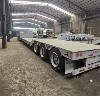
Comparison of Ordinary Painting and Galvanizing Processes for Semi-Trailers
When it comes to protecting semi-trailers from corrosion and enhancing their aesthetic appeal, two common methods are ordinary painting and galvanizing. Each technique has its own advantages and disadvantages, making them suitable for different applications and environments.
Ordinary Painting
Advantages:
Cost-Effective: Ordinary painting is generally less expensive than galvanizing. The materials and labor required for painting are typically more affordable, making it a popular choice for many businesses.
Variety of Finishes: Painting offers a wide range of colors and finishes, allowing for customization that can enhance the visual appeal of the semi-trailer. This flexibility is beneficial for branding purposes.
Ease of Application: The painting process is relatively straightforward and can be completed quickly. It requires less specialized equipment compared to galvanizing, which can reduce downtime for the vehicle.
Repairability: If the paint gets damaged, it is easier to touch up or repaint specific areas without needing to strip the entire surface.
Disadvantages:
Durability Issues: Ordinary paint is less durable than galvanized coatings. It can chip, peel, or fade over time, especially when exposed to harsh weather conditions or road debris.
Limited Corrosion Resistance: While paint provides a barrier against moisture, it does not offer the same level of corrosion protection as galvanizing. This can lead to rust formation, particularly in humid or coastal environments.
Maintenance Requirements: Painted surfaces require regular maintenance and repainting to ensure continued protection, which can increase long-term costs.
Galvanizing
Advantages:
Superior Corrosion Resistance: Galvanizing provides a robust layer of zinc that protects the steel from corrosion. This is particularly beneficial for semi-trailers operating in harsh environments, such as those transporting goods in coastal areas or regions with heavy rainfall.
Longevity: A galvanized coating can last significantly longer than paint, often exceeding 20 years without requiring maintenance. This longevity makes it a cost-effective option in the long run.
Self-Healing Properties: If the galvanized layer is scratched, the surrounding zinc can corrode preferentially, protecting the underlying steel from rust. This self-healing property is a significant advantage over painted surfaces.
Low Maintenance: Once galvanized, the semi-trailer requires minimal maintenance, reducing overall operational costs.
Disadvantages:
Higher Initial Costs: The galvanizing process is more expensive than ordinary painting, both in terms of materials and the specialized equipment required. This can be a barrier for some businesses.
Limited Color Options: Galvanized surfaces typically have a metallic finish that may not be as visually appealing as painted surfaces. Customization options are limited compared to painting.
Complex Application Process: The galvanizing process involves dipping the steel in molten zinc, which requires careful handling and expertise. This complexity can lead to longer turnaround times for vehicle preparation.
Conclusion
In conclusion, the choice between ordinary painting and galvanizing for semi-trailers depends on various factors, including budget, environmental conditions, and desired aesthetics. Ordinary painting offers flexibility and lower initial costs, while galvanizing provides superior corrosion resistance and longevity. Businesses must weigh these pros and cons carefully to determine the best protective solution for their semi-trailer needs.