As a seasoned semi - trailer supplier, I've witnessed the critical role that the attachment between semi - trailers and trucks plays in the transportation industry. In this blog, I'll take you through the process of how semi - trailers are attached to trucks, shedding light on the mechanisms, safety considerations, and maintenance requirements.
The Key Components of Attachment
The connection between a semi - trailer and a truck mainly relies on two primary components: the fifth wheel on the truck and the kingpin on the trailer.
The fifth wheel is a circular, flat plate installed on the rear of the truck tractor. It has a slot in the center and locking jaws that can secure the kingpin. The fifth wheel is usually adjustable in height to accommodate different trailer heights and to ensure a proper coupling.
The kingpin, on the other hand, is a large steel pin that protrudes from the front of the semi - trailer. It is designed to fit into the slot of the fifth wheel. The diameter of the kingpin is standardized, typically 2 inches (50.8 mm) or 3.5 inches (88.9 mm), to ensure compatibility with different fifth - wheel designs.
The Attachment Process
- Preparation
- Before attempting to attach the semi - trailer, the truck driver needs to ensure that both the truck and the trailer are in proper working condition. Check the fifth wheel for any signs of wear, damage, or debris. The locking jaws should be clean and operate smoothly.
- On the trailer side, the kingpin should be clean and free of rust or damage. The landing gear (the legs at the front of the trailer) should be fully lowered to support the trailer's weight during the attachment process.
- Backing Up the Truck
- The driver carefully backs the truck towards the semi - trailer. It is crucial to approach the trailer in a straight line as much as possible. Using the truck's mirrors and any available camera systems, the driver aligns the fifth wheel with the kingpin.
- Once the fifth wheel is close to the kingpin, the driver may need to make minor adjustments to ensure that the kingpin is centered over the slot in the fifth wheel.
- Coupling
- As the truck continues to back up, the kingpin enters the slot in the fifth wheel. The locking jaws of the fifth wheel then close around the kingpin, securing it in place. Most modern fifth wheels have a visual or audible indicator to confirm that the coupling is successful.
- After the coupling is made, the driver should perform a tug - test. This involves gently pulling forward on the truck to ensure that the trailer is securely attached.
- Connecting Utilities
- In addition to the mechanical connection, the driver also needs to connect the trailer's utilities to the truck. This includes the air lines for the trailer's brakes and the electrical connections for the lights and other accessories.
- The air lines are typically color - coded (red for the emergency line and blue for the service line) to ensure proper connection. The electrical connection is usually a multi - pin plug that provides power to the trailer's lighting system, including brake lights, turn signals, and running lights.
Safety Considerations
Safety is of utmost importance when attaching semi - trailers to trucks. Here are some key safety points:
- Regular Inspections
- Regularly inspect the fifth wheel and kingpin for wear, cracks, or other signs of damage. Replace any worn or damaged components immediately.
- Check the locking mechanism of the fifth wheel to ensure that it is functioning properly. A faulty locking mechanism can lead to the trailer becoming detached while in transit, which is extremely dangerous.
- Proper Training
- Truck drivers should receive proper training on the attachment process. They need to understand the correct procedures for backing up, coupling, and connecting utilities. Training should also cover safety protocols in case of a coupling failure.
- Weather Conditions
- Adverse weather conditions such as rain, snow, or ice can affect the attachment process. In wet or icy conditions, the fifth wheel and kingpin may be slippery, making it more difficult to achieve a secure coupling. Drivers should take extra precautions and clean the components as necessary.
Maintenance Requirements
To ensure the long - term reliability of the attachment between semi - trailers and trucks, regular maintenance is essential.
- Lubrication
- The fifth wheel should be lubricated regularly to reduce friction and wear. Use a high - quality grease that is suitable for heavy - duty applications. Lubrication helps to keep the locking jaws operating smoothly and prevents corrosion.
- Alignment Checks
- Periodically check the alignment of the fifth wheel on the truck. Misaligned fifth wheels can cause uneven wear on the kingpin and may lead to coupling problems. If misalignment is detected, it should be corrected promptly.
- Kingpin Maintenance
- The kingpin should be inspected for wear and damage on a regular basis. If the kingpin shows signs of excessive wear, it should be replaced. Additionally, keep the kingpin clean and apply a protective coating to prevent rust.
Different Types of Semi - Trailers and Their Attachment Considerations
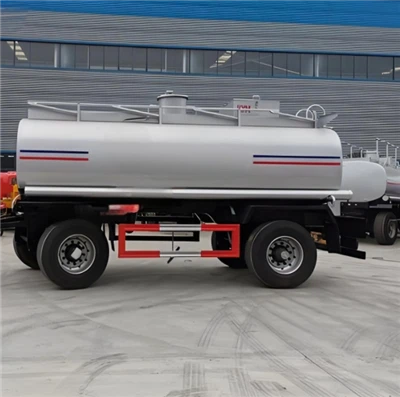
We offer a wide range of semi - trailers, each with its own unique characteristics. For example, the 10 Cbm Oil Tank Trailer is designed for transporting oil and other liquid products. When attaching this type of trailer, special attention should be paid to the stability of the load. The weight distribution of the liquid inside the tank can affect the trailer's balance, and proper coupling is crucial to ensure safe transportation.


Our Cattle And Sheep Transport Trailers are used for transporting livestock. These trailers often have a higher center of gravity due to the animals on board. The attachment process needs to be carried out carefully to prevent any sudden movements that could startle the animals and potentially cause them harm.
The Low Bed Trailer is designed for transporting heavy equipment. Its low - lying design means that the attachment height and angle may be different from other types of trailers. The fifth wheel on the truck may need to be adjusted to accommodate the lower kingpin position of the low - bed trailer.
Conclusion
The attachment of semi - trailers to trucks is a complex but crucial process in the transportation industry. As a semi - trailer supplier, we understand the importance of providing high - quality trailers and ensuring that the attachment mechanisms are reliable and safe. By following the proper procedures for attachment, conducting regular inspections and maintenance, and considering the unique characteristics of different types of trailers, we can help ensure the smooth and safe operation of our customers' transportation fleets.
If you are in the market for a semi - trailer or have any questions about the attachment process, please feel free to reach out to us for further information and to discuss your specific requirements. We are here to assist you in finding the perfect semi - trailer solution for your business.
References
- "Commercial Vehicle Safety Manual" - A comprehensive guide on the operation and safety of commercial vehicles, including semi - trailers.
- "Truck and Trailer Maintenance Handbook" - This handbook provides detailed information on the maintenance of trucks and trailers, including the attachment components.