

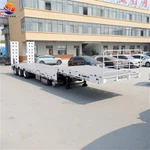
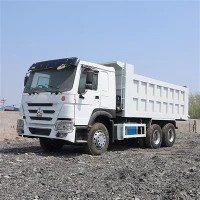


Truck
Shandong Jutong: Your Premium Cement Mixer Truck
Supplie
Shandong Jutong Special Vehicle Co., Ltd. is a professional semi-trailer manufacturer and used truck export supplier. Our company is located in Liangshan County, Shandong Province, China, which is known as a semi-trailer manufacturing base. At present, the company has more than 1,000 employees, including 670 senior professional and technical personnel and 32 professional technical personnel. Our workshop covers an area of over 1.5 million square meters, with main products of semi-trailers, trucks and trailers, dump trailers, dump trucks, etc., which are exported to Russia, the Middle East, Australia, Central Asia, Southeast Asia, Africa and other places.
Rich Experienced
Our team has been engaged in semi-trailer manufacturing for more than 20 years and has independent design, production and quality inspection capabilities. At present, our company has become a professional vehicle manufacturer recognized by the Ministry of Industry and Information Technology.
Well Equipped
Our company has more than 118 pieces of advanced equipment, including CNC cutting machines, automatic welding machines, WADF, X-ray detectors, four-wheel alignment devices, etc., with an annual output of more than 4,000 trailers, supporting large quantity orders.
Quality Assurance
Our products all undergo strict inspection procedures such as impact resistance, strength and appearance inspection after production, and have obtained certificates such as ISO, CCC and compulsory product certification.
Customized Services
Our team is online around the clock to promptly respond to your product inquiries, designs, and OEM and ODM order requirements, and provide customization services for product materials, appearance, and different components.
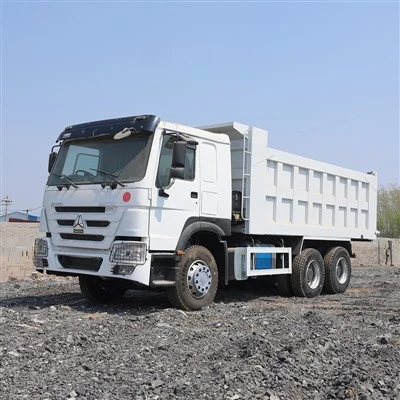
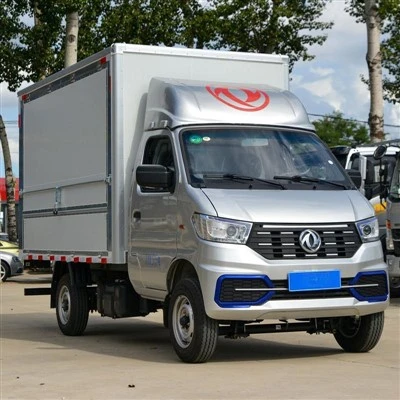


A truck or lorry is a motor vehicle designed to transport freight, carry specialized payloads, or perform other utilitarian work. Trucks vary greatly in size, power, and configuration, but the vast majority feature body-on-frame construction, with a cabin that is independent of the payload portion of the vehicle. Smaller varieties may be mechanically similar to some automobiles. Commercial trucks can be very large and powerful and may be configured to be mounted with specialized equipment, such as in the case of refuse trucks, fire trucks, concrete mixers, and suction excavators.
Features of Truck
Multiple Drive Modes
Our trucks have the ability to switch between multiple driving modes, giving you more traction and stability when driving in challenging conditions like ice and snow, and reducing wear on your truck tires.
Automatic Tailgate
These trucks feature automatic tailgates that eliminate the need to manually open and close after each use. They also offer adjustable height settings so that users can adjust the tailgate drop distance based on loading requirements.
Blind Spot Warning
Our trucks have Blind Spot Warning, which alerts you when something or someone is behind you when you are backing up, preventing scrapes and potential collisions.
360 Degree Monitor
They feature a 360-degree surround-view camera system for a bird's-eye view, helping drivers see what's going on around the vehicle, especially when maneuvering in tight spaces or parking lots.
Application of Truck
Moving Large appliances, all pieces of furniture, and all! It can stand all the weight because one is able to transport more than the combined weight of all your home belongings. Moving a tiny house is also easy using a truck.
Hauling Do you need to pull or transport something heavy over a long distance? Starting building contractors without owned hauling trucks could find these trucks for many of their necessities in construction. You can rely on the truck’s reputation of its ability to lift, pull and load heavy materials.
Transport Soft drinks & beverages, and liquors & beers are transported by trucks contained in long delivery trailers with roll-up doors. They travel long distances and arriving in destinations with products in good condition. Groceries and other products from the manufacturer's plants are delivered using these trucks also. Animals in cages are loaded in trucks to transport them.
Garbage Recycling Garbage trucks or trash trucks are specially built to collect garbage and haul it to a landfill or to a solid waste incineration facility. There are a few types of this truck. The front loader, rear loader and the side loader; well it tells where each would load the waste collected.
Types of Truck
Semi-Trailer Semi-trailers go by many names, including semi-trucks, 18-wheelers, tractor-trailers, and big rigs. They are some of the most commonly seen freight trucks on the road.
The trailers themselves have no front axle or wheels and instead rest on a hitch or fifth-wheel coupling. They can also tow one or two additional trailers for carrying added cargo. Not only can semi-trucks transport consumer items, but they can also haul raw materials. Their versatility makes them ideal for carrying cargo long distances - especially since a single semi-truck can tow more than one trailer.
Flatbed Trucks A flatbed truck is a type of vehicle that carries goods on an open, flat trailer - as opposed to a closed trailer. These trucks are especially good for hauling oversized loads.
Not only can these trucks haul oversized loads, but they are easier to load and unload than other freight trucks. To secure cargo on a flatbed trailer, people typically use straps.
Flatbed trucks are ideal for hauling construction materials, vehicles, heavy machinery, oversized cargo, and even houses thanks to their impressive load-bearing capacity and versatile cargo space.
Step Deck Similar to a flatbed truck, a step deck is an open trailer; however, it can carry taller cargo because it is designed for that specific purpose.
Step decks, also known as drop decks or lowboy trailers, have two levels. The bottom level is designed to give more clearance for tall or oversized cargo. Consequently, they are simpler to load and unload.
Not only can you transport large and tall items with a step deck trailer without needing extra permits, but you can also fit more cargo on the other deck.
Dry Van A dry van is a type of semi-truck that doesn't have temperature control for its trailer. A dry van is completely enclosed by four walls and has a roof to protect goods from the outside elements.
Many dry van trailers are 53 feet in length and can accommodate different types of freight. New truck drivers often operate dry van trucks because they're common and only require a Class A CDL. Dry van trucks commonly haul boxed cargo and pallets, which is why almost everything you have in your house was at one point transported by a dry van--this includes furniture, non-perishable food, and clothing.
Reefer Reefers, or refrigerated trucks, are freight vehicles that maintain a temperature-controlled environment for perishable items. These trucks typically transport food to grocery stores and warehouses.
The driver must continuously monitor the temperature of the refrigeration unit, which is located at either the front of the trailer or above the truck's cab. By doing so, they can avoid food spoilage. Items that must be kept cool are shipped using reefer trucks, such as food items, medical supplies, chemicals, and hazardous materials. These items can go bad quickly if not kept at the proper temperature, making reefer trucks one of the more time-sensitive types of cargo delivery.
Box Truck Box trucks are characterized by their box-shaped cargo compartments and smaller freight truck types. The cargo box of a box truck sits directly on the frame.
The box of the truck is typically separate from the driver's area. These types of trucks are perfect for making local deliveries as they can navigate small streets and tight corners with ease.
Box trucks are a popular choice for short-distance freight transportation, such as home appliance and furniture delivery, last-mile deliveries, food delivery, and even moving.
Tanker Tanker trucks come in two varieties- dry bulk tankers and liquid tankers. Dry bulk transportation is for loose, dry goods like flour or sand, while liquids and gasses are transported using liquid tankers.
Unlike boxy trailers, tankers have a round tank that attaches to the back of a semi-truck. They can be difficult to operate because drivers must avoid making the liquid inside slosh around too much. The tanks have compartments that help reduce this sloshing and enable the carrying of multiple loads. If the cargo requires it, the tank can be pressurized, insulated, or refrigerated. Dry bulk tankers are designed to transport materials that cannot be transported any other way, including construction materials (sand, powders) and bulk foods (sugar, grain). Liquid tankers transport liquids of all types, from beverages like milk or wine to chemicals like gasoline.
Components of Truck


Chassis
The chassis is the structural skeleton of the truck and it is the part that the rest of the truck is laid on. It consists of two parallel beams and many crossmembers. It supports the axles, engine, cab, fuel tank and the batteries (if any) of the truck.
Cab
The cab is the closed space in which the driver is seated and can sometimes have a built-in sleeping compartment for long-distance truckers. There are a couple of designs that are used for these cabs:
- Cab Over Engine (Coe): Otherwise known as flat nose, in this design, the driver is seated on top of the front axle and the engine. These are most commonly found in Europe, where the dimensions of the truck are strictly regulated. These cabs allow for better turning capabilities, and are well suited to roads that are older. However, these trucks have certain challenges and are considered to not be as safe as conventional cabs.
- Conventional Cabs: In this design, the driver is seated behind the engine, like in regular cars. These conventional cabs can come in two designs, a large car and aerodynamic. The large car (or long nose) has a long nose and is square-ish in shape. They experience a lot of wind resistance, typically use more fuel and provide less visibility than the aerodynamic designs. These aerodynamic cabs have sloped hoods and are very streamlined to reduce drag.
Engine
Engines can be equipped with a variety of engines, but the trick is to choose the engine horsepower and torque that is best suited to the job. If you choose an engine that matches your style of driving and the loads that you are carrying, you will have the best fuel economy.
Body
Choosing the right body will have a big impact on your fuel economy. So, while making your decision, think about the weight and shape of the load that you will carry.
Tyre
The right kind of tyres will ensure that your truck works at its maximum design capacity. They should give you little to no rolling resistance, be recyclable and easy to change. Low resistance tyres, otherwise known as 'super singles' are helpful if you are travelling long distances on high-speed roads (80 km/ph and above) like highways.
Drivetrain
The drivetrain, often the most misunderstood part of the truck, works with the engine to move the wheels. It includes the transmission, the driveshaft, the axles and the wheels.
Factors to Consider When Choose Truck
Assess Your Needs
The first step in choosing the best pickup truck is to assess your specific needs. Consider the primary purpose of the vehicle, such as hauling heavy loads, towing capacity, or off-road capabilities. Evaluate the terrain, weather conditions, and the type of cargo you will be transporting. Determining these requirements will help you narrow down your options and focus on the features that matter most to your business.
Payload and Towing Capacity
Payload and towing capacity are crucial aspects to consider when selecting a pickup truck for your fleet. Determine the average weight of the loads you will be carrying, and the maximum towing capacity required. Ensure that the truck you choose can handle the demands of your business without compromising safety or performance.
Fuel Efficiency
Fuel costs can significantly impact your operational expenses. Opting for a pickup truck with good fuel efficiency will help you save money in the long run. Look for models with advanced engine technology, aerodynamic designs, and features like start-stop systems to enhance fuel economy.
Safety Features
Prioritize safety when choosing a pickup truck for your fleet. Look for features such as anti-lock braking systems (ABS), stability control, traction control, and multiple airbags. Advanced driver-assistance systems like lane departure warning, blind-spot monitoring, and forward collision warning can also contribute to safer driving conditions.
Maintenance and Reliability
Reliability and low maintenance costs are essential for any fleet or business. Research the reputation of different pickup truck models, read reviews, and consider the reliability ratings provided by independent organizations. Look for good warranties and easily accessible service centres to ensure timely maintenance and repairs.
Interior and Cargo Space
The interior comfort and cargo space of a pickup truck are important considerations, especially if your business involves spending long hours on the road or transporting goods. Evaluate the cab size, seating capacity, and storage options. Consider additional features like infotainment systems, connectivity options, and ergonomic design to enhance driver comfort and productivity.
Total Cost of Ownership
Set a budget for your pickup truck purchase and stick to it. Consider the initial cost, financing options, insurance rates, fuel expenses, and maintenance costs when evaluating different models. Assess the long-term value and potential resale value of the pickup truck, as this can impact your overall costs.
Test Drive and Seek Professional Advice
Before making a final decision, schedule test drives of the shortlisted pickup trucks. This will allow you to experience the vehicle first hand and assess its performance, handling, and comfort. Additionally, seek advice from professionals in the automotive industry, such as fleet managers or business consultants, who can provide valuable insights and recommendations based on your specific business needs.
Certificate Photo

Factory Photo
