Handling a semi-trailer in windy conditions can be a real challenge, even for the most experienced drivers. As a semi-trailer supplier, I've seen firsthand how important it is to know how to deal with these situations safely and effectively. In this blog, I'll share some tips and tricks on how to handle a semi-trailer when the wind starts to blow.
Understanding the Impact of Wind on Semi-Trailers
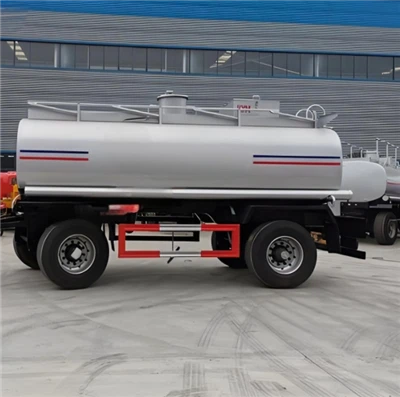
First things first, it's crucial to understand how wind affects semi-trailers. Wind can create a lot of pressure on the trailer, especially if it's a large, flat-sided one. This pressure can cause the trailer to sway, push the truck off course, or even tip over in extreme cases. The type of trailer also plays a big role. For example, Hydraulic Gooseneck Lowbed Trailers have a lower center of gravity, which generally makes them more stable in windy conditions compared to taller trailers. On the other hand, Fuel Tanker Truck trailers are often more top-heavy and can be more affected by crosswinds.
Pre-Trip Preparations
Before hitting the road, it's essential to check the weather forecast. If strong winds are predicted, you can plan your route accordingly. Look for routes that are more sheltered, like those with lots of trees or buildings along the way. Also, make sure your trailer is properly loaded. Unevenly loaded trailers are much more likely to be affected by wind. The weight should be evenly distributed from front to back and side to side.
Inspect your trailer thoroughly. Check the tires for proper inflation and wear. Under-inflated tires can make the trailer more unstable in windy conditions. Also, look at the brakes, lights, and all the connections between the truck and the trailer. Loose connections can cause the trailer to sway more.
Driving Techniques in Windy Conditions
Once you're on the road, there are several driving techniques you can use to handle your semi-trailer safely.
Slow Down
One of the most important things to do is to slow down. The faster you're going, the more the wind will affect your trailer. Reducing your speed gives you more time to react if the trailer starts to sway. It also reduces the force of the wind on the trailer.
Keep a Steady Grip
Hold the steering wheel firmly with both hands. A strong grip will help you maintain control if the wind suddenly pushes the trailer. Avoid making sudden or jerky movements with the steering wheel. Smooth, gradual turns are much safer.
Increase Following Distance
Leave more space between your truck and the vehicle in front of you. This gives you more room to stop if you need to. In windy conditions, it's easier for the trailer to start swaying, and you might need extra time to regain control.
Be Aware of Your Surroundings
Pay attention to other vehicles on the road. Large trucks and buses can create their own wind currents, which can affect your trailer. Also, be cautious when passing or being passed by other vehicles. The sudden change in wind pressure can cause the trailer to sway.
Use the Wind to Your Advantage
If possible, try to position your truck so that the wind is at your side or behind you. A tailwind can actually help you save fuel, but you need to be careful not to go too fast. A crosswind is trickier to deal with, but if you can adjust your speed and steering slightly, you can keep the trailer stable.
Dealing with Sway
If your trailer starts to sway, don't panic. The first thing to do is to stay calm and focused. Ease off the accelerator gently. Don't hit the brakes suddenly, as this can make the sway worse. Instead, gradually reduce your speed.


If the sway continues, try to steer in the direction of the sway. For example, if the trailer is swaying to the right, gently turn the steering wheel to the right. This can help to counteract the sway and bring the trailer back under control.
Special Considerations for Different Types of Trailers
Different types of semi-trailers require different handling techniques in windy conditions. For Single-Point Suspension Container Flatbed Semitrailers, the single-point suspension can make the trailer more responsive to wind. These trailers tend to sway more easily, so it's even more important to follow the tips mentioned above.
Hydraulic gooseneck lowbed trailers, as I mentioned earlier, are generally more stable due to their lower center of gravity. However, they still need to be handled with care. The hydraulic system should be checked regularly to ensure it's working properly, as any issues with the hydraulics can affect the trailer's stability.
Fuel tanker trucks require extra caution. The liquid inside the tanker can slosh around, which can make the trailer more unstable in windy conditions. Drivers need to be especially careful when accelerating, braking, and turning.
Training and Experience
Proper training is crucial for drivers who handle semi-trailers in windy conditions. As a semi-trailer supplier, I always recommend that drivers undergo regular training on handling trailers in various weather conditions. Experience also plays a big role. The more time a driver spends on the road in windy conditions, the better they'll get at handling their trailers.
When to Stop
Sometimes, the wind can be so strong that it's not safe to continue driving. If you feel like you can't control the trailer, or if the wind is causing too much sway, it's best to pull over and wait for the wind to die down. Look for a safe place to park, like a rest area or a truck stop. Make sure your truck is parked in a way that it won't be affected by the wind, such as facing into the wind or parking behind a large object.
Conclusion
Handling a semi-trailer in windy conditions is definitely a challenge, but with the right knowledge and techniques, it can be done safely. As a semi-trailer supplier, I'm always here to help you choose the right trailer for your needs and provide you with any information you might need. If you're in the market for a new semi-trailer, whether it's a Hydraulic Gooseneck Lowbed Trailers, Fuel Tanker Truck, or Single-Point Suspension Container Flatbed Semitrailers, feel free to reach out to us for more details. We're happy to discuss your requirements and help you make the best decision. Contact us today to start the procurement process and let's work together to get you the perfect semi-trailer for your business.
References
- "Trucking Safety Manual" - A comprehensive guide on trucking safety, including handling trailers in different weather conditions.
- "Professional Driver's Handbook" - Provides valuable information on driving techniques and safety procedures for truck drivers.