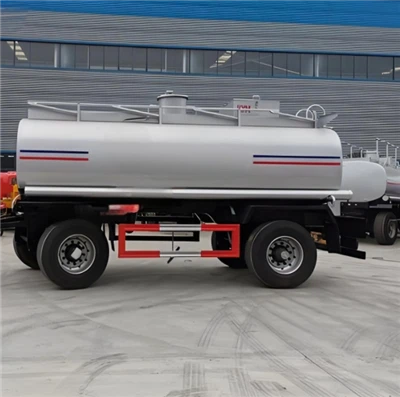
Hey there! As a supplier of Van Box Trailers, I often get asked about how to install a generator in these trailers. It's a pretty important addition, especially if you're planning to use your trailer in places without easy access to power. In this blog, I'll walk you through the process step by step.

Why Install a Generator in a Van Box Trailer?
First off, let's talk about why you might want to install a generator in your Van Box Trailer. Well, if you're using your trailer for camping, mobile workshops, or any other activities where you need electricity, a generator can be a game - changer. It allows you to power up appliances, tools, and other electrical devices, giving you more flexibility and comfort on the go.

Choosing the Right Generator
The first step in the installation process is to choose the right generator. You need to consider a few factors here.
- Power Output: Figure out how much power you'll need. Look at the wattage requirements of all the devices you plan to run simultaneously. For example, if you're going to power a small fridge, a few lights, and a charging station for your electronics, you'll need a generator with an appropriate wattage output.
- Size and Weight: Since space in a Van Box Trailer is usually limited, you'll want a generator that's compact and lightweight. You don't want it taking up too much room or adding too much extra weight to your trailer.
- Fuel Type: Generators can run on different fuels like gasoline, diesel, or propane. Each has its pros and cons. Gasoline generators are widely available but can be a bit noisy. Diesel generators are more fuel - efficient but can be more expensive upfront. Propane generators are clean - burning and quieter.
Preparing Your Van Box Trailer
Before you start installing the generator, you need to prepare your trailer.
- Find a Suitable Location: Look for a spot in your trailer where the generator can be safely installed. It should be well - ventilated to prevent the buildup of exhaust fumes. A common location is near the rear of the trailer or on the side, away from living or working areas.
- Check the Structure: Make sure the area where you plan to install the generator can support its weight. Reinforce the structure if necessary. You might need to add some brackets or a platform to hold the generator securely.
Installing the Generator
Now, let's get into the actual installation process.
- Mounting the Generator: Use the appropriate mounting hardware to attach the generator to the chosen location in your trailer. Make sure it's firmly secured so that it doesn't move around during transit. You can use bolts, nuts, and washers to mount it on the platform or brackets you've prepared.
- Electrical Connections: Connect the generator to the electrical system of your trailer. You'll need to run wires from the generator to the electrical panel in your trailer. It's important to follow the manufacturer's instructions for wiring to ensure safety. You might need to use a transfer switch to safely switch between generator power and shore power (if available).
- Fuel System Setup: If your generator runs on gasoline or diesel, you'll need to set up a fuel system. You can install a fuel tank in your trailer and connect it to the generator using fuel lines. Make sure all connections are tight to prevent fuel leaks. For propane generators, you'll need to connect a propane tank to the generator following the proper procedures.
- Exhaust System Installation: The exhaust from the generator needs to be safely routed out of the trailer. Install an exhaust pipe and make sure it's directed away from the trailer and any ventilation openings. This helps prevent the exhaust fumes from entering the trailer.
Testing the Generator
Once the installation is complete, it's time to test the generator.
- Start the Generator: Follow the manufacturer's instructions to start the generator. Check if it starts smoothly and runs without any issues.
- Check the Electrical Output: Use a multimeter to check the voltage output of the generator. Make sure it's providing the correct voltage to power your devices.
- Test the Connected Devices: Plug in some of your electrical devices and see if they work properly. Check for any signs of electrical problems like flickering lights or strange noises.
Maintenance and Safety
After installing and testing the generator, you need to keep up with maintenance and safety practices.
- Regular Maintenance: Follow the maintenance schedule recommended by the generator manufacturer. This might include oil changes, air filter replacements, and spark plug checks.
- Safety Precautions: Always follow safety guidelines when using the generator. Keep it away from flammable materials, and never run it in an enclosed space without proper ventilation. Make sure there are fire extinguishers nearby in case of an emergency.
Our Van Box Trailer Offerings
At our company, we offer a wide range of Van Box Trailers to suit your needs. You can check out our JT Manufacturer 20ft/40ft/45ft/53ft Enclosed Refrigerated Container Trailer, which is great for transporting perishable goods. If you're looking for something a bit different, our Center - axle Drawbar Side Curtain Trailers provide easy access to your cargo. And for those who need a reefer truck trailer, our Van Box Reefer Truck Trailer is a top - notch option.

If you're interested in purchasing a Van Box Trailer or have any questions about generator installation or our products, feel free to reach out to us for a purchase discussion. We're here to help you make the best choice for your needs.

References
- Generator Installation Guides from various generator manufacturers
- Van Box Trailer User Manuals