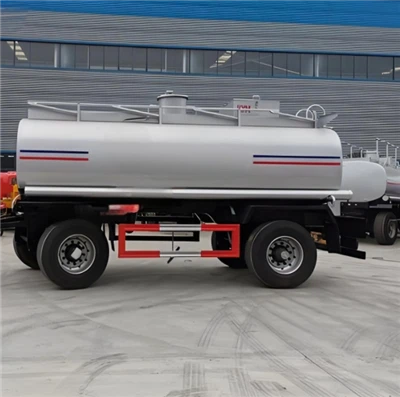
As a seasoned dump trailer supplier, I've witnessed firsthand the various challenges that customers face when using these heavy - duty vehicles. Dump trailers are indispensable in many industries, from construction and mining to waste management. However, like any piece of equipment, they are not without their problems. In this blog, I'll delve into some of the most common issues that dump trailer owners encounter and offer insights on how to address them.
Hydraulic System Failures
One of the most critical components of a dump trailer is its hydraulic system. This system is responsible for lifting and lowering the trailer bed, allowing for the efficient unloading of materials. Unfortunately, hydraulic system failures are all too common.
Leaks
Hydraulic fluid leaks are a frequent problem. These leaks can occur due to worn - out seals, loose fittings, or damaged hoses. A small leak might seem insignificant at first, but over time, it can lead to a loss of hydraulic pressure, which in turn affects the trailer's lifting capacity. Moreover, leaking hydraulic fluid can be a safety hazard and may damage the surrounding environment.
To prevent leaks, regular inspections are crucial. Check the hoses for signs of wear, such as cracks or bulges, and ensure that all fittings are tightened properly. If you notice a leak, it's important to replace the damaged component as soon as possible.
Pump Malfunctions
The hydraulic pump is the heart of the system, and any malfunction can bring the entire operation to a halt. A pump may fail due to issues like overheating, lack of proper lubrication, or internal damage. Overheating can be caused by a clogged filter or a malfunctioning cooling system.
Regular maintenance of the pump, including changing the hydraulic fluid and filters at recommended intervals, can help prevent these problems. Additionally, make sure that the pump is operating within its specified temperature range.
Structural Damage
Dump trailers are subjected to a great deal of stress during their operation, which can lead to structural damage over time.
Frame Cracks
The frame of the dump trailer is designed to support the weight of the load and withstand the forces exerted during lifting and dumping. However, repeated heavy loads and rough terrain can cause cracks to develop in the frame. These cracks can compromise the trailer's integrity and pose a serious safety risk.
Inspecting the frame regularly for signs of cracks or deformation is essential. If a crack is detected, it should be repaired by a qualified professional immediately. In some cases, it may be necessary to reinforce the frame to prevent further damage.
Body Wear
The body of the dump trailer is constantly in contact with the materials being transported, which can cause significant wear and tear. Abrasive materials like gravel and rocks can scratch and dent the trailer body, and corrosive substances can cause rusting.
Applying a protective coating to the trailer body can help reduce wear and prevent rust. Additionally, consider using liners or wear plates in high - wear areas to extend the lifespan of the body.
Braking System Issues
The braking system is a vital safety feature of any dump trailer. Without proper brakes, the trailer can be difficult to control, especially when carrying heavy loads.
Brake Fade
Brake fade occurs when the brakes lose their effectiveness due to overheating. This can happen when the trailer is used for extended periods of time or when descending steep grades. Brake fade can be extremely dangerous, as it reduces the ability to stop the trailer quickly.
To prevent brake fade, use engine braking when descending hills and avoid riding the brakes. Regularly inspect the brake pads and rotors for wear and replace them as needed.
Brake Binding
Brake binding is another common problem, where the brakes remain engaged even when they are not supposed to. This can cause excessive wear on the brake components and reduce fuel efficiency. Brake binding can be caused by issues such as a stuck caliper or a malfunctioning brake adjuster.
Inspecting the braking system regularly and lubricating the moving parts can help prevent brake binding. If you notice any signs of brake binding, have the system checked by a professional.
Electrical System Problems
The electrical system of a dump trailer is responsible for powering various components, such as the lights, hydraulic controls, and sensors.
Wiring Issues
Wiring problems are common in dump trailers, especially in harsh environments. The wires can become damaged due to abrasion, moisture, or corrosion. A loose or damaged wire can cause electrical failures, such as non - functioning lights or malfunctioning sensors.
Regularly inspect the wiring for signs of damage and ensure that all connections are secure. If you find a damaged wire, replace it immediately to prevent further issues.
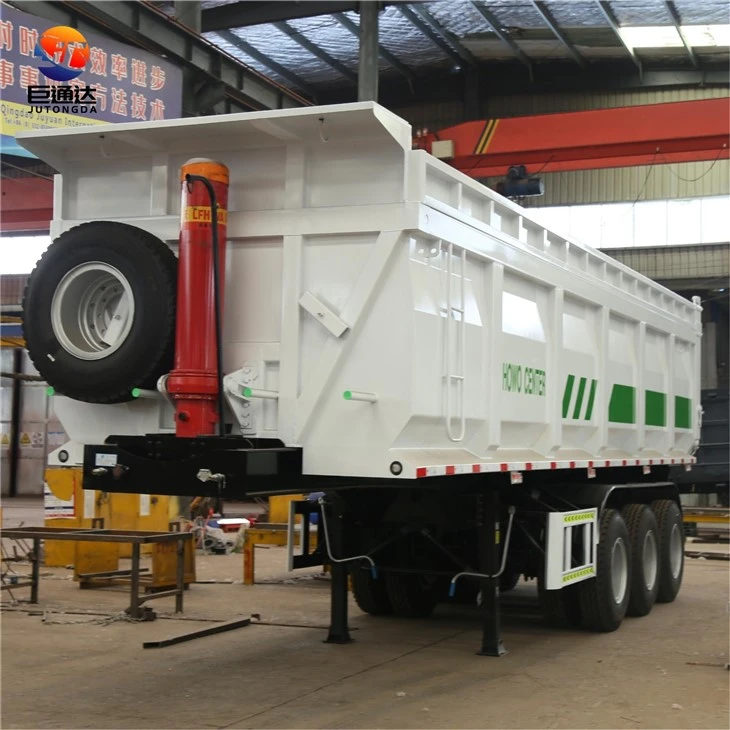

Battery Problems
The battery provides the power to start the trailer and operate the electrical system. A weak or dead battery can prevent the trailer from functioning properly. Battery problems can be caused by factors such as over - discharging, improper charging, or a faulty charging system.
Maintaining the battery properly, including keeping it clean and fully charged, can help prevent these problems. If the battery is not holding a charge, it may need to be replaced.
Loading and Unloading Difficulties
Loading and unloading materials can also present challenges for dump trailer owners.
Material Sticking
Some materials, such as wet clay or sticky asphalt, can stick to the trailer bed, making it difficult to unload. This can lead to additional time and effort being required to clean the trailer.
Using a non - stick coating on the trailer bed can help reduce material sticking. Additionally, consider using a vibrator or a hopper to assist with unloading.
Overloading
Overloading the dump trailer is a common mistake that can cause a variety of problems. It can put excessive stress on the trailer's components, leading to premature wear and structural damage. Overloading can also affect the trailer's handling and braking performance, increasing the risk of accidents.
Always ensure that the trailer is loaded within its specified weight capacity. Familiarize yourself with the weight limits of the trailer and use a scale if necessary to ensure accurate loading.
Solutions and Recommendations
To address these common problems, it's important to implement a comprehensive maintenance program. This program should include regular inspections, fluid changes, and component replacements as needed. Additionally, training the operators on proper use and maintenance of the dump trailer can help prevent many of these issues from occurring.
When it comes to choosing the right dump trailer for your needs, we offer a wide range of options, including Rear Side - Opening Dump Trailers, Rear Dump Trailer, and U Shape Hydraulic Dump Trailer. Each of these trailers is designed to meet specific requirements and provide reliable performance.
If you're facing any of these common problems or are in the market for a new dump trailer, I encourage you to reach out to us. Our team of experts can provide you with the guidance and support you need to make the best decision for your business. We're committed to providing high - quality products and excellent customer service. Contact us today to start a procurement discussion and find the perfect dump trailer solution for your needs.
References
- "Dump Trailer Maintenance Guide" - Industry - standard handbook on dump trailer care
- "Hydraulic System Basics" - Technical publication on hydraulic systems in heavy equipment
- "Trailer Safety Regulations" - Government - issued regulations regarding trailer safety and operation