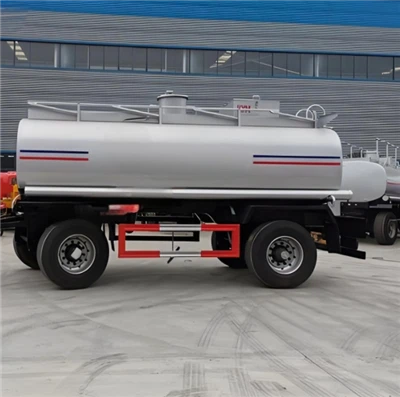
Managing the inventory of a tank trailer business can be a real challenge, but it's super important for keeping things running smoothly and making good profits. As a tank trailer supplier, I've learned a thing or two about how to handle inventory effectively over the years. In this blog, I'll share some tips and strategies that have worked well for me.
Understanding Your Inventory Needs
First off, you gotta have a clear idea of what types of tank trailers you're dealing with. We've got different kinds, like Water Tank Trailer, 40 Cbm Cement Tranker Trailer, and 45000 Liters Aluminum Fuel Tanker Trailer. Each type has its own demand patterns, lead times, and storage requirements.
For example, water tank trailers are often in high demand during dry seasons or in areas with water shortages. Cement tanker trailers are more related to construction projects, so their demand can be tied to the construction industry's cycles. And fuel tanker trailers are always needed to transport fuel, but the demand can vary depending on factors like fuel prices and economic activity.
You need to analyze historical sales data to figure out how much of each type of trailer you should keep in stock. Look at trends over months and years to see if there are any seasonal or long - term patterns. This data will help you make informed decisions about inventory levels.
Setting Up an Inventory Management System
A good inventory management system is a must - have. You can use software that allows you to track your tank trailers from the moment they arrive at your warehouse until they're sold. This system should be able to record details like the model, serial number, purchase date, and location of each trailer.
With a proper system, you can easily check the availability of trailers, see when you need to reorder, and even manage the movement of trailers within your storage area. It also helps in generating reports that can give you insights into your inventory performance, such as turnover rates and stock - out frequencies.
There are many inventory management software options out there, both free and paid. You can choose one that fits your business size and budget. Some software even integrates with your accounting and sales systems, which can make your overall business operations more efficient.


Forecasting Demand
Forecasting demand is a key part of inventory management. It's not an exact science, but there are ways to make educated guesses. In addition to looking at historical data, you should also keep an eye on market trends and economic indicators.
For instance, if there are plans for new large - scale construction projects in an area, the demand for cement tanker trailers is likely to increase. You can also talk to your customers and industry experts to get a sense of what's coming up. They might have information about upcoming projects or changes in regulations that could affect the demand for your tank trailers.
Once you have a demand forecast, you can adjust your inventory levels accordingly. If you expect a surge in demand for a particular type of trailer, you can increase your stock in advance. On the other hand, if the forecast shows a slowdown, you can reduce your orders to avoid overstocking.
Managing Supplier Relationships
Your suppliers play a huge role in inventory management. You need to have good relationships with them to ensure a steady supply of tank trailers. Communicate regularly with your suppliers to get updates on lead times, production schedules, and any potential issues.
Try to negotiate favorable terms with your suppliers, such as longer payment terms or volume discounts. This can help you manage your cash flow and reduce the cost of your inventory. Also, having multiple suppliers for each type of trailer can be a good idea. It gives you more options in case one supplier has problems, like production delays or quality issues.
You can also work with your suppliers to implement a just - in - time (JIT) inventory system. With JIT, you order trailers from your suppliers just in time to meet your customer demand. This reduces the amount of inventory you need to hold, which can save you money on storage costs and reduce the risk of obsolescence.
Storage and Handling
Proper storage and handling of your tank trailers are crucial. You need to have a suitable storage area that can protect the trailers from the elements and prevent damage. Make sure the storage area is well - organized, with clear aisles and spaces for each type of trailer.
Regularly inspect your trailers to check for any signs of damage or wear. This can help you identify problems early and take corrective actions. You should also have a system for handling damaged trailers, whether it's getting them repaired or returning them to the supplier if it's a warranty issue.
When it comes to moving trailers within your storage area or loading them onto trucks for delivery, use proper equipment and follow safety procedures. This can prevent accidents and ensure that your trailers arrive at your customers' locations in good condition.
Dealing with Excess Inventory
Sometimes, despite your best efforts, you might end up with excess inventory. This can happen due to inaccurate demand forecasting or changes in the market. When this occurs, you need to have a plan to deal with it.
One option is to offer discounts or promotions to encourage customers to buy the excess trailers. You can also try to sell them to other dealers or wholesalers. Another approach is to modify the trailers if possible to make them more appealing to a different market segment.
If all else fails, you might have to consider liquidating the excess inventory at a lower price. This is not ideal, but it's better than letting the trailers sit in your storage area and tying up your capital.
Monitoring and Reviewing
Inventory management is an ongoing process. You need to continuously monitor your inventory levels, demand patterns, and supplier performance. Set up regular reviews of your inventory management system to see if it's working as expected.
Look at key performance indicators (KPIs) like inventory turnover ratio, fill rate, and stock - out rate. These metrics can tell you how well your inventory is being managed. If you notice any issues, such as a low turnover ratio or frequent stock - outs, you need to analyze the root causes and take corrective actions.
By regularly monitoring and reviewing your inventory management practices, you can make adjustments as needed to improve your efficiency and profitability.
Conclusion
Managing the inventory of a tank trailer business is a complex but rewarding task. By understanding your inventory needs, setting up a good management system, forecasting demand, managing supplier relationships, taking care of storage and handling, dealing with excess inventory, and continuously monitoring and reviewing, you can keep your inventory in check and your business running smoothly.
If you're interested in purchasing high - quality tank trailers or have any questions about inventory management in the tank trailer industry, feel free to reach out to us. We're here to help you find the right solutions for your needs.
References
- Inventory Management Basics, Small Business Administration
- Supply Chain Management: Strategy, Planning, and Operation, Sunil Chopra and Peter Meindl
- Market Trends in the Tank Trailer Industry, Industry Research Reports