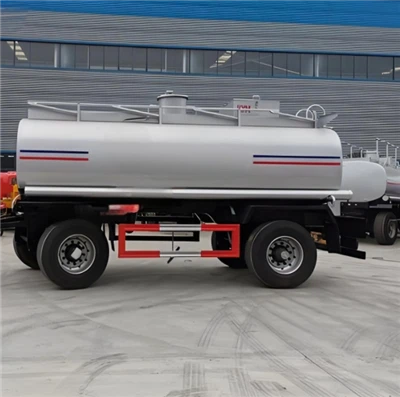
As a supplier of water tank trucks, ensuring the safety of these vehicles is of utmost importance. One of the critical safety aspects is preventing skidding, especially considering that water tank trucks often operate in various terrains and weather conditions. In this blog, I will delve into the anti - skid measures for water tank trucks.
Tire Selection and Maintenance
Tires are the primary contact point between the water tank truck and the road surface. Selecting the right tires can significantly reduce the risk of skidding.
Appropriate Tire Tread Design
Tires with deep and wide grooves are ideal for water tank trucks. The tread pattern helps to channel water away from the tire's contact area with the road. When a vehicle is moving on a wet road, water can build up between the tire and the road, creating a thin layer of water that reduces friction. This phenomenon is known as hydroplaning. Tires with a good tread design can effectively disperse this water, maintaining better contact with the road and reducing the likelihood of skidding. For example, all - season tires with a directional tread pattern are often a good choice as they are designed to provide excellent traction in both wet and dry conditions.
Regular Tire Inspection and Replacement
Regular tire inspection is crucial. Check the tire pressure frequently as under - inflated tires can increase the risk of skidding. Under - inflated tires have a larger contact area with the road, which can cause the tire to overheat and wear unevenly. This uneven wear can lead to reduced traction. Additionally, monitor the tire tread depth. Most countries have regulations regarding the minimum legal tread depth. Once the tread depth reaches the minimum limit, it is time to replace the tires. A simple way to check the tread depth is by using a tread depth gauge or the penny test. Insert a penny into the tire tread with Lincoln's head upside down. If you can see the top of Lincoln's head, the tread is too shallow, and the tire needs to be replaced.
Braking System Upgrades
A well - functioning braking system is essential for preventing skidding.
Anti - Lock Braking System (ABS)
Installing an Anti - Lock Braking System (ABS) on water tank trucks is highly recommended. ABS is a safety feature that prevents the wheels from locking up during hard braking. When the wheels lock up, the vehicle loses steering control, and skidding is more likely to occur. ABS works by rapidly pulsing the brakes, allowing the wheels to continue rotating while still providing maximum braking force. This enables the driver to maintain steering control and reduces the stopping distance on slippery roads.
Brake Pad and Rotor Maintenance
Regular maintenance of brake pads and rotors is also necessary. Worn - out brake pads and rotors can reduce the braking efficiency, increasing the risk of skidding. Brake pads should be inspected regularly for wear, and they should be replaced when they reach the minimum thickness. Rotors can also become warped or worn over time, which can cause uneven braking. If the rotors are damaged, they should be resurfaced or replaced.


Vehicle Loading and Distribution
The way the water tank truck is loaded and the distribution of the load can have a significant impact on skidding.
Proper Loading
When filling the water tank, it is important to follow the manufacturer's guidelines regarding the maximum load capacity. Overloading the truck can put excessive stress on the tires and the braking system, increasing the risk of skidding. Additionally, ensure that the water is evenly distributed in the tank. Uneven distribution can cause the truck to become unbalanced, affecting its stability and traction.
Ballast Considerations
In some cases, adding ballast to the truck can improve its traction. Ballast can help to increase the weight on the drive wheels, providing better grip on the road. However, it is important to use the right amount of ballast. Too much ballast can also cause problems, such as increased fuel consumption and additional stress on the vehicle's components.
Driving Techniques
The driver's skills and techniques play a crucial role in preventing skidding.
Reduced Speed
One of the simplest yet most effective anti - skid measures is to reduce the speed, especially in adverse weather conditions such as rain, snow, or ice. Lower speeds give the driver more time to react to unexpected situations and reduce the likelihood of skidding. When driving on wet roads, it is recommended to reduce the speed by at least one - third compared to dry conditions.
Smooth Driving
Avoid sudden acceleration, braking, and turning. Sudden movements can cause the wheels to lose traction and lead to skidding. When accelerating, apply the throttle gradually. When braking, use gentle and progressive pressure on the brake pedal. When turning, enter the turn at a reasonable speed and maintain a steady speed throughout the turn.
Following Distance
Maintain a safe following distance from the vehicle in front. A larger following distance gives the driver more time to stop the vehicle safely in case of an emergency. In wet or slippery conditions, increase the following distance to at least twice the normal distance.
Traction Control Systems
Traction control systems are another important anti - skid measure.
How Traction Control Works
Traction control systems monitor the speed of the wheels. If the system detects that one or more wheels are spinning faster than the others, it will automatically reduce engine power or apply the brakes to the spinning wheels. This helps to transfer power to the wheels with better traction, preventing skidding.
Benefits of Traction Control
Traction control systems can significantly improve the vehicle's stability and safety, especially in low - traction situations such as on gravel roads or in snowy conditions. They are particularly useful for water tank trucks that may need to operate in a variety of terrains.
Road Surface Awareness
Being aware of the road surface conditions is essential for preventing skidding.
Weather - Related Conditions
Keep an eye on the weather forecast before driving the water tank truck. If rain, snow, or ice is expected, take appropriate precautions. For example, if there is a risk of snow, carry snow chains in case they are needed. When driving on wet roads, be aware of areas where water may accumulate, such as potholes or low - lying areas. These areas can increase the risk of hydroplaning.
Road Type
Different road surfaces have different levels of traction. For example, asphalt roads generally provide better traction than gravel roads. When driving on a gravel road, reduce the speed and be prepared for reduced traction. Additionally, be aware of road construction areas, as these areas may have uneven surfaces or loose gravel, increasing the risk of skidding.
In conclusion, preventing skidding in water tank trucks requires a combination of proper vehicle maintenance, appropriate driving techniques, and the use of safety features. As a [Water Tank Truck Supplier], we are committed to providing high - quality water tank trucks that are equipped with the latest anti - skid technologies. Our Water Storage and Sprinkler Tank Truck models are designed with safety in mind, incorporating features such as ABS and traction control systems.
If you are interested in purchasing a water tank truck or have any questions about our anti - skid measures, please feel free to contact us for a detailed discussion. We are looking forward to working with you to meet your water transportation needs safely and efficiently.
References
- "Vehicle Dynamics and Control" by Rajesh Rajamani
- "Automotive Engineering: Fundamentals" by Thomas D. Gillespie
- Various tire and vehicle manufacturer manuals