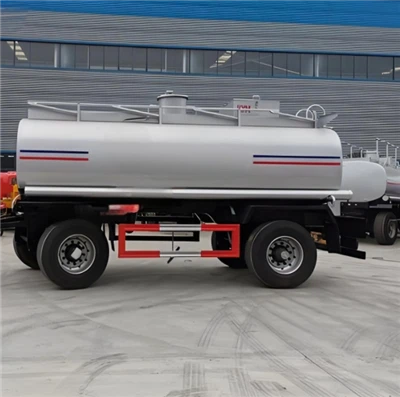
Hey there! I'm a supplier of dump trailers, and today I wanna chat about the materials these bad boys are made of. Understanding the materials used in dump trailers is super important, whether you're in the market to buy one or just curious about how they're built.
Steel: The Heavy - Hitter
Steel is hands - down the most common material for dump trailers. It's like the backbone of the industry. There are different types of steel used, and each has its own set of properties that make it suitable for various parts of the trailer.
Mild Steel
Mild steel is often used for the frame of the dump trailer. It's relatively inexpensive and easy to work with. You can cut, weld, and shape it without too much hassle. This makes it a great choice for the structural components that need to be assembled in a factory. The frame is the foundation of the trailer, and mild steel provides enough strength to support the weight of the load and the forces that come with transporting and dumping materials.
High - Strength Steel
When it comes to the body of the dump trailer, high - strength steel is the go - to. This stuff is tougher and can withstand more abuse. It has a higher yield strength, which means it can handle heavier loads without deforming. For example, if you're hauling large rocks or construction debris, high - strength steel will keep the trailer body in one piece. It also resists corrosion better than mild steel, which is crucial since dump trailers are often exposed to the elements and harsh chemicals.
Aluminum: The Lightweight Contender
Aluminum is another material that's gaining popularity in the dump trailer world. It has some major advantages over steel.
Weight Savings
The biggest benefit of aluminum is its weight. It's much lighter than steel, which means you can carry more payload. If you're in the business of hauling materials, every extra pound of payload can translate into more money in your pocket. A lighter trailer also means better fuel efficiency. Your truck won't have to work as hard to pull the trailer, so you'll save on gas.
Corrosion Resistance
Aluminum naturally forms a protective oxide layer on its surface, which makes it highly resistant to corrosion. This is a huge plus, especially if you're using the trailer in wet or salty environments. You won't have to worry about rust eating away at the trailer over time, which can extend its lifespan.


However, aluminum does have some drawbacks. It's more expensive than steel, and it's not as strong. So, if you need to haul extremely heavy loads, an aluminum dump trailer might not be the best choice.
Other Materials
There are also some other materials that are used in smaller quantities or for specific parts of the dump trailer.
Rubber
Rubber is used for things like seals and gaskets. These are important for keeping water and debris out of the trailer's mechanical components. For example, the rubber seal around the tailgate helps prevent leaks when the trailer is in use. It also reduces noise and vibration, making the ride smoother.
Plastic
Plastic can be found in some interior components of the dump trailer, like the dashboard or storage compartments. It's lightweight, easy to mold into different shapes, and can be made to look nice. Plastic is also relatively inexpensive, which helps keep the cost of the trailer down.
How Material Choices Affect Different Types of Dump Trailers
Now, let's talk about how these materials impact different types of dump trailers.
Rear Side - Opening Dump Trailers
Rear Side - Opening Dump Trailers are designed to unload materials from the side. The choice of material for these trailers is crucial because they need to be strong enough to handle the weight of the load while also being able to open and close smoothly. High - strength steel is often used for the body and frame to ensure durability. Aluminum can be used for some non - critical parts to save weight, but you need to make sure the overall structure is still strong enough.
Removable Rear Dump/Tipper Trailer
Removable Rear Dump/Tipper Trailer allows for easy removal of the rear section for maintenance or different types of hauling. The materials used here need to be strong enough to support the weight of the load when the trailer is in use and also be able to withstand the stress of being removed and re - attached. Steel is a popular choice for the main structure, while aluminum can be used for some of the smaller components to reduce weight.
4 Axles Heavy Duty Rear Dump Trailer
4 Axles Heavy Duty Rear Dump Trailer is built to handle extremely heavy loads. High - strength steel is a must for the frame and body of this type of trailer. It needs to be able to distribute the weight evenly across all four axles and withstand the forces that come with hauling large amounts of material. Aluminum might not be suitable for the main structural parts of this trailer due to its lower strength compared to high - strength steel.
Making the Right Choice
As a dump trailer supplier, I often get asked which material is the best. Well, it really depends on your specific needs. If you're looking for a trailer that can handle heavy loads and you're not too worried about weight, steel is the way to go. But if you want to save on fuel and carry more payload, and your loads aren't extremely heavy, an aluminum trailer might be a better fit.
If you're in the market for a dump trailer, I'd be more than happy to help you make the right choice. We have a wide range of dump trailers made from different materials to suit various needs. Whether you're a construction company, a landscaper, or just someone who needs to haul materials from time to time, we've got you covered.
Contact us to discuss your requirements and let's start a conversation about getting the perfect dump trailer for you. We can talk about the materials, the features, and the price. Don't hesitate to reach out and let's find the best solution for your hauling needs.
References
- Trailer Manufacturing Industry Reports
- Steel and Aluminum Material Specifications Guides