

Transporting fuel across state lines with a tank trailer is a complex but crucial process. As a fuel tank trailer supplier, I've seen firsthand how important it is to get this right. In this blog, I'll share some key insights on how to transport fuel safely and legally across state lines.
Understanding the Regulations
The first thing you need to know is that transporting fuel across state lines is heavily regulated. Each state has its own set of rules, and there are also federal regulations to consider. The most important federal agency involved in this process is the Department of Transportation (DOT). The DOT sets standards for tank trailers, including their construction, maintenance, and operation.
For example, tank trailers must be built to meet specific safety standards. They need to have proper valves, fittings, and emergency shut - off devices. The trailers also need to be regularly inspected to ensure they are in good working condition. You can't just load up a tank trailer and hit the road; you have to make sure it meets all the regulatory requirements.
Another important aspect is the paperwork. You'll need to have the right permits and documentation when transporting fuel across state lines. This includes bills of lading, which detail the type and quantity of fuel being transported, as well as any special handling instructions. Failure to have the correct paperwork can result in hefty fines and delays.
Choosing the Right Tank Trailer
As a fuel tank trailer supplier, I always emphasize the importance of choosing the right trailer for the job. There are different types of tank trailers available, and each one is designed for a specific type of fuel or liquid.
If you're transporting gasoline, you'll need a trailer that is specifically designed to handle the volatility and flammability of this fuel. These trailers often have special coatings and ventilation systems to prevent explosions. On the other hand, if you're transporting diesel fuel, the requirements might be a bit different. Diesel is less volatile than gasoline, but it still needs to be transported in a secure and reliable trailer.
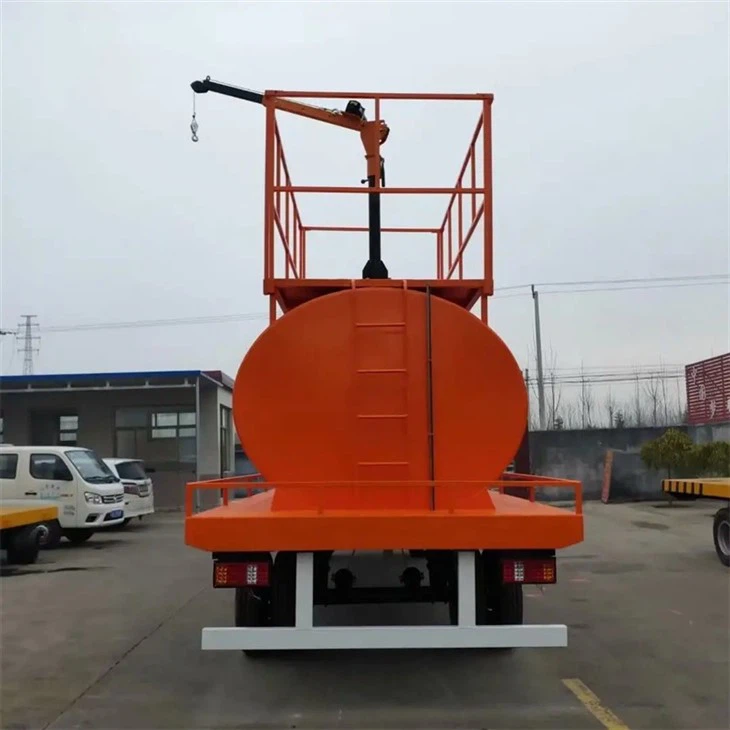

We also offer other types of tank trailers, like the Water Tank Trailer and Cooking Oil Trailer. While these aren't for fuel, they show our expertise in manufacturing high - quality tank trailers. And of course, we have the Full Oil Tank Trailer, which is great for transporting various types of oils, including fuel.
When choosing a trailer, you also need to consider its capacity. You don't want to overfill the trailer, as this can be extremely dangerous. Make sure you know the maximum capacity of the trailer and stick to it.
Loading and Unloading the Fuel
Loading and unloading fuel are critical steps in the transportation process. When loading the fuel, you need to make sure the trailer is properly grounded. This helps to prevent static electricity from building up, which could potentially cause a fire or explosion.
The loading process should also be done slowly and carefully. You need to monitor the level of fuel in the trailer to avoid overfilling. Many modern tank trailers are equipped with sensors that can alert you when the trailer is getting close to its maximum capacity.
Unloading the fuel also requires caution. You need to connect the trailer to the storage tank or receiving vessel correctly. Make sure all the connections are tight and there are no leaks. It's also a good idea to have a secondary containment system in place in case of any spills.
Safety Precautions on the Road
Once the fuel is loaded and you're on the road, safety should be your top priority. Tank trailers are large and heavy, so they require special driving skills. Drivers should be properly trained and licensed to operate these vehicles.
You also need to be aware of the weather conditions. High winds, rain, or snow can make it more difficult to drive a tank trailer safely. In extreme weather conditions, it might be necessary to pull over and wait until the weather improves.
Another important safety consideration is the route. You need to plan your route in advance and avoid areas with heavy traffic or difficult terrain. Some roads might have weight restrictions or specific rules for transporting hazardous materials. Make sure you know and follow these rules.
Maintenance and Inspection
Regular maintenance and inspection of the tank trailer are essential for safe transportation. Before each trip, you should do a visual inspection of the trailer. Check for any signs of damage, such as cracks or leaks in the tank, loose fittings, or worn - out tires.
In addition to pre - trip inspections, the trailer should also undergo regular maintenance. This includes things like changing the oil, checking the brakes, and inspecting the suspension. A well - maintained trailer is less likely to break down on the road, which can reduce the risk of accidents.
Insurance and Liability
When transporting fuel across state lines, you need to have the right insurance coverage. Accidents can happen, and if you're transporting fuel, the consequences can be severe. Make sure you have insurance that covers liability for property damage, personal injury, and environmental damage.
You also need to understand your liability in case of an accident. If there is a spill or other incident, you could be held responsible for the cleanup costs and any damages caused. This is why it's so important to follow all the safety and regulatory requirements.
Training and Certification
Drivers and personnel involved in loading, unloading, and transporting fuel need to be properly trained and certified. There are specific training programs available that cover topics like fuel safety, emergency response, and regulatory compliance.
Getting the right training and certification not only ensures the safety of the operation but also helps you stay in compliance with the law. Many states require drivers to have a hazardous materials endorsement on their commercial driver's license.
Pricing and Cost Considerations
When it comes to transporting fuel across state lines, pricing and cost are important factors. The cost of transportation includes not only the fuel itself but also the cost of the trailer, maintenance, insurance, and labor.
As a fuel tank trailer supplier, we work with our customers to find the most cost - effective solutions. We offer a range of trailers at different price points, and we can help you choose the one that fits your budget and needs.
Conclusion
Transporting fuel across state lines with a tank trailer is a demanding but essential task. By understanding the regulations, choosing the right trailer, following safety precautions, and maintaining the equipment, you can ensure a safe and successful transportation process.
If you're in the market for a fuel tank trailer or need more information about transporting fuel, don't hesitate to reach out. We're here to help you with all your tank trailer needs, whether it's for fuel, water, or cooking oil. Just let us know what you're looking for, and we'll work with you to find the best solution.
References
- Federal Motor Carrier Safety Administration (FMCSA) regulations on hazardous materials transportation.
- Department of Transportation (DOT) guidelines for tank trailer construction and operation.


