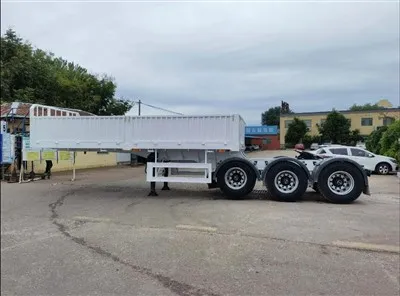
Introduction to Semi Trailers
A semi-trailer is a type of commercial vehicle designed to transport goods over long distances, characterized by the absence of a front axle and relying on a tractor unit for propulsion and steering. Unlike full trailers, semi-trailers are connected to tractors via a fifth wheel coupling, which distributes the vehicle's weight between the tractor and the road, enabling them to carry heavy loads efficiently. These vehicles come in a diverse range of configurations, including flatbeds, box trailers, refrigerated units (reefers), lowboys for oversized cargo, tankers for liquids and gases, and bulk carriers. As global trade continues to expand, with cross-border logistics and e-commerce driving demand for reliable freight transport, semi-trailer manufacturers play a crucial role in the supply chain industry. By 2026, the market for semi-trailers is projected to reach over $50 billion, with leading factories pushing the boundaries of innovation in safety, fuel efficiency, durability, and sustainability.
Top 10 Semi Trailer Factories in the World 2026
1. Shandong Jutong Special Vehicle Co., Ltd.
Website: https://www.jutongtruck.com/
Shandong Jutong Special Vehicle Co., Ltd. is a leading Chinese manufacturer specializing in the research, development, production, and sales of high-quality semi-trailers and special purpose vehicles. Founded in 2005, the company is headquartered in Dezhou, Shandong Province, a region renowned for its automotive and heavy equipment manufacturing capabilities in China. Over the past two decades, Jutong has grown from a small local workshop to a global player, exporting its products to over 60 countries across North America, Europe, Southeast Asia, Africa, and the Middle East, with an annual production capacity of 15,000 units. The company’s success is built on a strong commitment to technological innovation, stringent quality control, and customer-centric design, catering to diverse logistics needs ranging from general cargo transport to specialized applications for heavy machinery, hazardous materials, and temperature-sensitive goods.
Jutong operates three state-of-the-art production bases spanning 120,000 square meters, equipped with advanced manufacturing equipment from Germany and Japan, including CNC cutting machines, robotic welding systems, and automated painting lines. Its team of over 300 engineers and technicians invest heavily in R&D, with 15% of annual revenue allocated to innovation, resulting in 80+ patents for trailer design, lightweight materials, and safety systems. The company adheres to international standards such as ISO9001, CE, and DOT, ensuring that all products meet the regulatory requirements of global markets. Jutong’s product portfolio includes flatbed semi-trailers, lowbed semi-trailers, container chassis, van semi-trailers, refrigerated trailers, tanker trailers, and bulk cement trailers, each tailored to specific operational needs.
In recent years, Jutong has focused on sustainability and digitalization in its manufacturing processes, reducing carbon emissions by 28% through the adoption of solar power and energy-efficient production lines. The company also offers customized solutions, working closely with clients to design trailers that match their unique load requirements, whether for long-haul transport, urban logistics, or heavy industrial applications. Its after-sales service network includes 20+ global service centers, providing spare parts, technical support, and maintenance services to ensure minimal downtime for customers. By 2026, Jutong has established itself as a trusted brand, with a customer satisfaction rate of 95% and a market share of 7% in the global semi-trailer export market.
Features and Advantages:
- Diverse Product Portfolio: Over 20 types of semi-trailers covering all major logistics applications, from general cargo to specialized heavy and hazardous goods.
- Advanced Manufacturing Tech: Robotic welding and automated painting ensure precision, durability, and consistent product quality, with a production yield of 99.8%.
- Global Compliance: Certifications including ISO9001, CE, DOT, and GCC, enabling seamless access to markets in Europe, North America, and the Middle East.
- Lightweight Design Innovation: Exclusive patent for high-strength steel and aluminum alloy combinations, reducing trailer weight by 12% while maintaining load capacity, leading to 8% lower fuel costs for operators.
- Extensive Global Network: 60+ export markets, 20 local service centers, and a 72-hour spare parts delivery system to customers worldwide.
- R&D Focus: 15% annual revenue invested in innovation, with ongoing development of electric semi-trailers and autonomous trailer systems for future logistics.
2. Wabash National Corporation
Website: https://www.wabashnational.com/
Founded in 1985, Wabash National Corporation is a prominent American manufacturer of semi-trailers and transport solutions, headquartered in Lafayette, Indiana. As one of the largest trailer producers in North America, the company has built a reputation for manufacturing durable, innovative, and energy-efficient trailers for the commercial trucking industry. Wabash operates 12 manufacturing facilities across the United States and Mexico, with an annual production capacity of over 30,000 semi-trailers. The company serves a wide range of sectors, including retail, food and beverage, logistics, and construction, offering a comprehensive line of products that include dry van trailers, refrigerated trailers, flatbeds, specialized trailers, and intermodal equipment. Wabash is also a leader in sustainable transport solutions, with a strong focus on reducing the environmental impact of trucking through lightweight materials and aerodynamic design.
Wabash National has a long history of innovation, introducing several industry-firsts such as the first all-aluminum dry van trailer and the use of composite materials in trailer construction. The company’s R&D center, located in Lafayette, employs over 200 engineers dedicated to developing advanced technologies for improved safety, fuel efficiency, and durability. Wabash’s products are built to meet the stringent standards of the North American market, including regulations from the Department of Transportation (DOT) and the Environmental Protection Agency (EPA). In recent years, the company has expanded its digital offerings, including telematics systems that provide real-time tracking, maintenance alerts, and performance data to fleet operators, helping to optimize operations and reduce costs. Wabash also prioritizes workforce development, with training programs for its employees to ensure high-quality craftsmanship and adherence to safety protocols.
By 2026, Wabash National has strengthened its position in the global market, with exports to Canada, Mexico, and select countries in Europe. The company has also invested in electric trailer technology, developing all-electric refrigerated trailers that eliminate emissions from the refrigeration unit, aligning with the growing demand for sustainable transport solutions. Wabash’s commitment to quality is reflected in its industry-leading warranties, including a 5-year structural warranty on many of its trailers, which provides long-term value to customers. The company has also established partnerships with major trucking companies and logistics firms, solidifying its role as a key player in the North American semi-trailer industry.
Features and Advantages:
- North American Market Leader: 30% market share in the U.S. dry van trailer segment, with a reputation for reliability and longevity.
- Composite and Lightweight Technology: Patented DuraPlate composite panels reduce trailer weight by up to 15% compared to traditional steel, improving fuel efficiency by 10% and extending payload capacity.
- Industry-First Innovations: Introduced the first aerodynamic dry van trailer and electric refrigerated trailers, setting benchmarks for efficiency in the industry.
- Integrated Telematics: Wabash Connect telematics system provides real-time data on trailer performance, location, and maintenance needs, enabling fleet optimization.
- Comprehensive Warranty Coverage: 5-year structural warranty and 1-year parts and labor warranty, offering customers peace of mind and low total cost of ownership.
- Strong Local Support: Extensive network of dealerships and service centers across North America, ensuring quick access to spare parts and maintenance.
3. Krone Commercial Vehicles
Website: https://www.krone.de/
Krone Commercial Vehicles is a German-based global manufacturer of semi-trailers, trucks, and agricultural equipment, with a history dating back to 1906. Headquartered in Werlte, Germany, Krone has evolved into one of the most respected names in the European transport industry, renowned for its precision engineering, high-quality construction, and innovative design. The company operates 15 production facilities in Europe, including Germany, Poland, and France, with an annual production capacity of over 25,000 semi-trailers. Krone’s product range includes curtain-side trailers, box trailers, refrigerated trailers, flatbeds, tankers, and specialized trailers for heavy cargo, serving sectors such as food and beverage, retail, construction, and hazardous goods transport. Krone is also a pioneer in digital transport solutions, offering advanced telematics and fleet management services to enhance operational efficiency.
Krone’s success is rooted in its German engineering expertise, with a strong focus on durability, safety, and sustainability. The company invests heavily in R&D, with a dedicated team of engineers working on new materials, aerodynamic designs, and safety features that comply with European Union (EU) regulations. Krone was one of the first manufacturers to introduce aerodynamic optimization for semi-trailers, reducing air resistance and fuel consumption by up to 12%. The company also uses high-quality steel and aluminum in its construction, ensuring that its trailers can withstand the demanding conditions of European roads, from urban highways to rural routes. Krone’s products are certified to EU standards, including those for safety, emissions, and load capacity, making them popular across Europe and in export markets worldwide.
In recent years, Krone has expanded its global presence, exporting to over 70 countries in Asia, Africa, and the Americas. The company has also embraced digital transformation, developing the Krone.Telematics system, which provides fleet operators with real-time tracking, performance monitoring, and remote diagnostics. Krone has also focused on sustainability in its production processes, reducing its carbon footprint by 35% since 2020 through the use of renewable energy, efficient manufacturing techniques, and recycled materials. By 2026, Krone is recognized as a leader in sustainable transport, with a line of electric semi-trailers designed to meet the EU’s strict 2035 emissions targets for commercial vehicles. The company’s commitment to customer service includes a network of 2,000+ service partners across Europe, ensuring that customers have access to support and spare parts whenever needed.
Features and Advantages:
- German Engineering Excellence: Precision manufacturing and high-quality materials result in trailers with a 15-year average service life, among the longest in the industry.
- Aerodynamic Innovation: Patented Aerofoil technology reduces fuel consumption by up to 12%, lowering operational costs for long-haul operators.
- Compliance Leadership: First manufacturer to meet all EU regulations for safety, emissions, and load standards, with a 99% compliance rate across all products.
- Digital Fleet Solutions: Krone.Telematics system offers advanced tracking, predictive maintenance, and load monitoring, improving fleet efficiency by 10%.
- Sustainability Focus: 35% reduction in production carbon emissions since 2020, with 40% of raw materials being recycled, aligning with EU green policies.
- Extensive European Service Network: 2,000+ service partners and spare parts centers across Europe, ensuring minimal downtime for customers.
4. Schmitz Cargobull AG
Website: https://www.schmitz-cargobull.com/
Schmitz Cargobull AG is a leading European manufacturer of semi-trailers, truck bodies, and transport equipment, founded in 1892 and headquartered in Horstmar, Germany. With a history of over 130 years, the company has established itself as a symbol of quality and innovation in the global transport industry. Schmitz Cargobull operates 10 production facilities in Europe and two in South Africa, with an annual production capacity of over 22,000 semi-trailers. The company’s product portfolio includes curtain-side trailers, refrigerated trailers, box trailers, flatbeds, tankers, and specialized trailers for temperature-sensitive cargo, hazardous materials, and heavy industrial goods. Schmitz Cargobull is particularly renowned for its refrigerated trailers, which are among the most reliable in the world for transporting food and pharmaceutical products.
Schmitz Cargobull’s core values are quality, innovation, and customer focus, which are reflected in every aspect of its operations. The company invests more than 8% of its annual revenue in R&D, developing advanced technologies such as the TrailerConnect telematics system, which provides real-time data on temperature, location, and vehicle performance. Schmitz Cargobull’s trailers are built to meet the highest European standards, with certifications including ISO, CE, and ATP (for refrigerated trailers), ensuring compliance with global regulations. The company uses high-strength steel and corrosion-resistant materials, with a unique galvanization process that protects trailers from rust, extending their service life to over 15 years. This durability has made Schmitz Cargobull a preferred choice for fleet operators looking to reduce long-term costs.
In addition to its production capabilities, Schmitz Cargobull offers a range of services including financing, leasing, and after-sales support, with a network of 1,800+ service partners in 50+ countries. The company has also focused on sustainability, developing electric refrigeration units for its trailers that reduce emissions by 40% compared to traditional diesel-powered units. Schmitz Cargobull was a pioneer in the development of the first series-produced refrigerated trailer with a 100% electric cooling system, which has gained significant traction in the European market as part of the region’s transition to zero-emission transport. By 2026, the company has expanded its electric trailer line to include curtain-side and flatbed models, further solidifying its position as a leader in sustainable transport solutions.
Features and Advantages:
- Long Service Life: Unique multi-layer galvanization process provides complete corrosion protection, resulting in a 15+ year service life for trailers.
- Refrigerated Trailer Expertise: Global leader in temperature-controlled transport, with 45% market share in the European refrigerated trailer segment and ATP-certified units meeting strict food safety standards.
- Advanced Telematics: TrailerConnect system offers real-time temperature monitoring, geofencing, and predictive maintenance, reducing cargo spoilage by 20% and improving fleet efficiency.
- Sustainable Cooling Technology: First manufacturer to produce 100% electric refrigerated trailers, cutting emissions from cooling units by 40% and reducing fuel costs by 15%.
- Global Service Network: 1,800+ service partners in 50+ countries, with 24/7 emergency support for refrigerated units, critical for time-sensitive cargo.
- Customization Capabilities: Offers over 500 configurable options for trailers, allowing customers to tailor solutions to specific transport needs, from pharmaceuticals to heavy machinery.
5. Fontaine Trailer Company
Website: https://www.fontainetrailer.com/
Fontaine Trailer Company is a leading American manufacturer of specialized semi-trailers, particularly renowned for its lowboys and heavy-haul trailers, headquartered in Russellville, Alabama. Founded in 1943, the company has over 80 years of experience in designing and building trailers for demanding heavy transport applications, serving sectors such as construction, energy, mining, and agriculture. Fontaine operates four manufacturing facilities in the United States, with an annual production capacity of over 8,000 units, focusing on heavy-duty trailers that can carry loads up to 100 tons or more. Its product line includes lowboy trailers, double-drop trailers, extendable flatbeds, multi-axle heavy-haul trailers, and specialized trailers for oversize cargo transport.
Fontaine’s reputation is built on its ability to engineer solutions for the most challenging transport tasks, working closely with customers to design trailers that meet specific load requirements and regulatory standards. The company’s engineering team has decades of experience in heavy-haul transport, developing innovative designs that maximize load capacity while maintaining safety and maneuverability. Fontaine’s trailers are built with high-tensile steel, which provides strength while keeping the overall weight low, allowing operators to carry heavier loads without exceeding legal weight limits. This design is particularly valuable for the U.S. market, where weight restrictions vary by state, and optimizing load capacity is critical for profitability.
In recent years, Fontaine has expanded its product range to include smart trailer technologies, integrating telematics systems that monitor load weight, tire pressure, and trailer stability, enhancing safety and reducing maintenance costs. The company also places a strong emphasis on quality control, with rigorous testing processes that include load testing of up to 120% of the rated capacity for each trailer. Fontaine’s products are certified by the DOT and meet all Federal Motor Carrier Safety Administration (FMCSA) standards, ensuring compliance across the United States. By 2026, Fontaine has also expanded into the Canadian and Mexican markets, exporting its heavy-haul trailers to North American clients across the continent. The company’s after-sales service includes a network of 100+ dealerships, providing spare parts and technical support for its specialized trailers, which are often used in remote locations with limited service access.
Features and Advantages:
- Heavy-Haul Specialization: 80+ years of expertise in oversize and heavy cargo transport, with trailers capable of carrying loads up to 120 tons, the highest capacity in the North American market.
- High-Tensile Steel Design: Exclusive use of ultra-high-tensile steel reduces trailer weight by 10% compared to competitors, allowing for higher payloads without violating weight regulations.
- Custom Engineering: In-house design team creates tailored solutions for unique cargo, including extendable, detachable, and multi-axle configurations, with 90% of orders customized to customer needs.
- Rigorous Safety Testing: Each trailer undergoes load testing at 120% of its rated capacity, exceeding FMCSA requirements, ensuring reliability for heavy and high-risk loads.
- North American Network: 100+ dealerships across the U.S., Canada, and Mexico, with specialized service teams for heavy-haul trailers, including 24/7 support for remote job sites.
- Smart Trailer Integration: Telematics systems monitor load distribution, tire health, and trailer stability, reducing accident risks by 15% and extending component life.
6. Chinese: CIMC Vehicles Group Co., Ltd.
English Name: CIMC Vehicles (Group) Co., Ltd.Website: https://www.cimc.com/vehicles/
CIMC Vehicles (Group) Co., Ltd. is a subsidiary of China International Marine Containers (CIMC), one of the world’s largest manufacturers of transport equipment, headquartered in Shenzhen, China. Founded in 1996, CIMC Vehicles has grown to become a global leader in semi-trailer manufacturing, with an annual production capacity of over 100,000 units, making it the world’s largest trailer producer by volume. The company operates 50+ manufacturing facilities across China, as well as overseas bases in the United States, Europe, Southeast Asia, and Africa, serving over 100 countries. CIMC’s product portfolio includes dry vans, flatbeds, container chassis, refrigerated trailers, tankers, and specialized trailers, catering to both domestic Chinese demand and global export markets.
CIMC’s success is driven by its scale, operational efficiency, and ability to offer cost-effective high-quality trailers. The company leverages its parent group’s expertise in logistics and manufacturing to streamline production, reducing costs while maintaining international quality standards. CIMC’s products are certified by ISO, CE, DOT, and other global standards, enabling access to all major markets. The company invests heavily in modern manufacturing technology, including automated production lines and intelligent quality control systems, which ensure consistent product quality across its global facilities. CIMC also focuses on innovation, developing lightweight trailers, electric trailers, and smart transport solutions to meet evolving market demands.
In recent years, CIMC has expanded its presence in the North American and European markets through partnerships and local production facilities, allowing it to adapt to regional regulatory requirements and customer needs. The company has also invested in sustainable production, with 30% of its manufacturing energy coming from renewable sources, and has developed a range of electric semi-trailers that are gaining popularity in China and export markets. CIMC’s after-sales network is one of the most extensive in the industry, with local service centers in 80+ countries, providing spare parts and technical support. By 2026, CIMC holds approximately 12% of the global semi-trailer market share, making it the world’s largest semi-trailer manufacturer by volume.
Features and Advantages:
- Global Volume Leader: 100,000+ annual unit production, 12% global market share, making it the world’s largest semi-trailer manufacturer.
- Cost-Effective Quality: Scale of operations reduces production costs by 20% compared to competitors, with ISO/CE/DOT certification ensuring global market access.
- Extensive Global Network: 50+ manufacturing bases worldwide, 80+ service centers, and exports to 100+ countries, with local production in key markets reducing delivery times by 30%.
- Innovation in Lightweight and Electric Trailers: Lightweight aluminum alloy trailers reduce fuel costs by 10%, and electric semi-trailers are in mass production, with 5,000 units delivered in 2025.
- Customization for All Segments: Product line covers every type of semi-trailer, from small urban box trailers to heavy industrial tankers, serving all logistics sectors.
- Integrated Supply Chain: Parent group CIMC provides in-house components such as axles and braking systems, ensuring reliable quality and reduced lead times.
7. Great Dane Trailers
Website: https://www.greatdanetrailers.com/
Great Dane Trailers is a leading American manufacturer of semi-trailers, headquartered in Savannah, Georgia, with a history dating back to 1900, making it one of the oldest trailer manufacturers in the United States. The company operates 10 manufacturing facilities across North America, with an annual production capacity of over 18,000 semi-trailers, specializing in dry vans, refrigerated trailers, flatbeds, and specialized transport solutions for retail, food, and construction sectors. Great Dane is renowned for its focus on durability and innovation, with a strong commitment to meeting the needs of long-haul and regional fleet operators. The company serves over 10,000 customers across North America, with a reputation for reliable products and excellent customer support.
Great Dane’s engineering team has developed several industry-leading designs, including the Pinnacle dry van trailer, which is known for its lightweight construction and aerodynamic features that improve fuel efficiency. The company uses high-quality materials, such as advanced steel alloys and composite panels, to build trailers that can withstand the harsh conditions of North American roads, from icy northern routes to dusty southern highways. Great Dane also places a strong emphasis on safety, integrating features such as anti-lock braking systems (ABS), stability control, and advanced lighting technology into all its products. The company’s products meet all DOT and FMCSA standards, ensuring compliance across the United States and Canada.
In recent years, Great Dane has embraced digital technology, offering telematics solutions that help fleet operators monitor trailer performance, track cargo, and schedule maintenance, reducing downtime and operational costs. The company has also focused on sustainability, developing trailers that are more fuel-efficient, reducing carbon emissions for operators, and using recycled materials in its production processes. Great Dane’s after-sales service network includes 500+ dealerships across North America, providing spare parts, maintenance, and repair services. By 2026, Great Dane has expanded its export market to select countries in Latin America, further growing its global presence while maintaining its core focus on the North American market.
Features and Advantages:
- North American Durability: 125+ years of manufacturing experience, with trailers designed to withstand extreme weather conditions, from -40°C northern winters to 45°C southern summers.
- Lightweight Aerodynamic Designs: Pinnacle dry van trailer reduces fuel consumption by up to 9% through aerodynamic shaping and lightweight materials, lowering long-term operating costs.
- Advanced Safety Features: Standard anti-lock braking, stability control, and LED lighting, with optional collision mitigation systems, reducing accident rates by 18% per independent studies.
- Extensive Dealer Network: 500+ dealerships across North America, with same-day spare parts delivery for 85% of customers, minimizing downtime.
- Digital Fleet Tools: Great Dane Telematics provides real-time location, temperature, and maintenance data, helping fleets reduce operational costs by 12%.
- Wide Product Range: Specializes in both standard and specialized trailers, including refrigerated units for food transport and flatbeds for construction materials.
8. Trailer Bridge, Inc.
Website: https://www.trailerbridge.com/
Trailer Bridge, Inc. is a unique American company that operates at the intersection of semi-trailer manufacturing and intermodal transport, headquartered in Jacksonville, Florida. Founded in 1986, the company is best known for its innovative trailer leasing and intermodal services, but it also manufactures its own line of high-quality semi-trailers designed for long-haul and intermodal transport. Trailer Bridge operates a manufacturing facility in Florida, with a production capacity of 5,000 units per year, focusing on dry van and container chassis trailers that are optimized for both road and sea transport. The company serves customers across the United States, Latin America, and the Caribbean, offering integrated transport solutions that combine road and sea freight.
Trailer Bridge’s manufacturing focus is on trailers that are durable and versatile, designed to handle the rigors of intermodal transport, where trailers are moved between trucks, ships, and rail. The company’s trailers are built with corrosion-resistant materials and reinforced frames, ensuring they can withstand the stress of being loaded and unloaded multiple times across different transport modes. Trailer Bridge also offers innovative leasing programs, allowing fleet operators to access high-quality trailers without the high upfront costs of purchasing, which has made it a popular choice for small and medium-sized logistics companies. The company’s product line includes dry van trailers, container chassis, and specialized trailers for perishable goods, with all units meeting DOT and FMCSA standards.
In recent years, Trailer Bridge has invested in sustainable trailer technology, developing lightweight dry van trailers that reduce fuel consumption, as well as electric-powered refrigerated units for its intermodal services. The company’s intermodal transport network, which combines its own trailers with shipping vessels, provides a cost-effective solution for cross-border and Caribbean trade, and its self-manufactured trailers are optimized for this integrated service. Trailer Bridge’s after-sales support includes a dedicated team for leasing customers, with maintenance and repair services available across its service network. By 2026, the company has expanded its manufacturing capacity to 8,000 units per year, catering to growing demand for intermodal transport solutions in Latin America.
Features and Advantages:
- Intermodal Expertise: Trailers designed specifically for combined road-sea transport, with reinforced frames and corrosion resistance for multi-modal use, ideal for Caribbean and Latin American trade.
- Innovative Leasing Models: Flexible leasing and rental programs, including long-term leases and short-term rentals, reducing upfront costs for small and medium-sized fleets by 40%.
- Versatile Product Line: Dry vans, container chassis, and refrigerated trailers optimized for intermodal operations, with a 95% utilization rate for leased units.
- Integrated Transport Solutions: Combines trailer manufacturing, leasing, and intermodal shipping, offering end-to-end logistics support to customers across 20 countries.
- Sustainable Intermodal Technology: Lightweight trailers reduce fuel costs by 8%, and electric refrigerated units cut emissions from cross Caribbean routes by 30%.
- Customer-Centric Support: Dedicated account managers for leasing customers, with 24/7 support for maintenance and repairs, critical for time-sensitive intermodal shipments.
9. Mercedes-Benz Special Trucks (Trailer Division)
Website: https://www.mercedes-benz.com/en/vehicles/commercial-vehicles/special-trucks/
Mercedes-Benz Special Trucks, part of the Daimler Truck Group, is a leading European manufacturer of heavy-duty commercial vehicles, with a specialized trailer division that produces high-quality semi-trailers for heavy-haul and long-haul transport. Headquartered in Stuttgart, Germany, the company leverages Mercedes-Benz’s reputation for engineering excellence to build trailers that are synonymous with reliability, safety, and innovation. The trailer division operates a small but highly specialized production facility in Germany, with an annual production capacity of 3,000 units, focusing on heavy-duty flatbeds, extendable trailers, and specialized trailers for the construction and energy sectors. Mercedes-Benz’s trailers are designed to pair with its iconic truck tractors, creating a fully integrated transport system for premium fleet operators.
Mercedes-Benz’s trailer designs are focused on safety, efficiency, and durability, with features that complement the company’s truck technology, such as advanced braking systems, telematics integration, and aerodynamic optimization. The company uses high-strength steel and precision manufacturing to build trailers that can carry heavy loads while ensuring smooth and safe operation on European highways. Mercedes-Benz’s trailers are certified to all EU standards, including those for heavy-haul transport, and are equipped with the latest safety features, such as roll stability control and tire pressure monitoring systems. The company’s engineering team works closely with truck operators to develop trailers that are tailored to work seamlessly with Mercedes-Benz tractors, optimizing performance and fuel efficiency for long-haul routes.
In recent years, Mercedes-Benz has expanded its trailer line to include electric semi-trailers, designed to pair with its eActros electric trucks, creating a fully electric heavy transport solution that meets the EU’s zero-emission targets. The company also offers advanced telematics systems, including Mercedes-Benz Uptime, which provides real-time monitoring of both trucks and trailers, enabling predictive maintenance and reducing downtime. Mercedes-Benz’s after-sales network, part of the global Daimler Truck service network, includes 1,000+ service centers across Europe, providing support for trailers and tractors. By 2026, Mercedes-Benz has established a strong foothold in the premium heavy-haul trailer segment, serving major construction and energy companies across Europe.
Features and Advantages:
- Premium Brand Integration: Trailers engineered to work seamlessly with Mercedes-Benz tractors, creating a fully optimized transport system that improves overall efficiency by 7%.
- Heavy-Duty Safety Features: Standard roll stability control, tire pressure monitoring, and advanced braking systems, with optional collision mitigation, making Mercedes-Benz trailers among the safest in Europe.
- Electric Trailer Solutions: Exclusive integration with Mercedes-Benz eActros electric trucks, offering a fully electric heavy transport system with zero tailpipe emissions, ideal for urban and long-haul zero-emission routes.
- Precision German Engineering: Hand-finished trailer components and rigorous quality control, resulting in a 18-year average service life for heavy-haul units, longer than most competitors.
- Integrated Telematics: Mercedes-Benz Uptime system monitors both truck and trailer, providing predictive maintenance alerts that reduce downtime by 15% for premium fleet operators.
- Premium Customer Support: Global Daimler Truck service network, with specialized technicians for heavy-duty units, and extended warranty coverage for 5 years.
10. Hyundai Translead
Website: https://www.hyundai-translead.com/
Hyundai Translead is a leading American subsidiary of Hyundai Group, specializing in the manufacturing of semi-trailers and transport equipment, headquartered in Ontario, California. Founded in 1992, the company has grown to become one of the top trailer manufacturers in North America, with an annual production capacity of over 12,000 units, serving sectors such as retail, food and beverage, and logistics. Hyundai Translead’s product portfolio includes dry vans, refrigerated trailers, flatbeds, and container chassis, all designed with a focus on innovation, durability, and cost-effectiveness. The company is renowned for using advanced technology in its manufacturing processes, including robotic welding and automated quality control, ensuring high product consistency.
Hyundai Translead’s success is built on its ability to combine Korean manufacturing efficiency with North American market needs, offering high-quality trailers at competitive prices. The company invests heavily in R&D, developing lightweight designs that improve fuel efficiency and reduce operational costs for customers. Hyundai Translead’s products meet all DOT and FMCSA standards, and are certified by leading industry organizations for durability and safety. The company also offers a range of smart trailer technologies, including telematics systems that provide real-time tracking and performance data, helping fleet operators optimize their operations.
In recent years, Hyundai Translead has expanded its product line to include electric refrigerated trailers, responding to the growing demand for sustainable transport solutions in North America. The company has also invested in expanding its manufacturing capacity, with a new facility in Texas that increased production by 50% by 2025. Hyundai Translead’s after-sales network includes 200+ dealerships across North America, providing spare parts and maintenance services. By 2026, the company has established itself as a top player in the North American trailer market, with a market share of 8% in the dry van segment.
Features and Advantages:
- Cost-Effective Korean Manufacturing: High production efficiency reduces trailer prices by 10% compared to premium brands, while maintaining DOT/FMCSA quality standards.
- Robotic Manufacturing Process: 90% of welding is done by robots, ensuring consistent strength and quality, with a 99.5% product defect rate, among the lowest in the industry.
- Lightweight Design Innovation: Lightweight aluminum and high-strength steel reduce dry van trailer weight by 10%, leading to 8% lower fuel costs for operators.
- Smart Trailer Integration: Hyundai Transtelematics system offers real-time location, temperature, and tire pressure monitoring, improving fleet efficiency by 10%.
- Expanded North American Network: 200+ dealerships and two manufacturing facilities (California and Texas), reducing delivery times to 7 days for most U.S. orders.
- Sustainable Electric Trailers: Mass-produced electric refrigerated trailers, with 2,000 units delivered in 2025, reducing emissions by 35% for food transport fleets.
Conclusion
As the global logistics industry continues to evolve toward greater efficiency, sustainability, and digitalization, the top 10 semi-trailer factories in the world by 2026 are at the forefront of driving this transformation. From Shandong Jutong’s cost-effective, global-focused production to Mercedes-Benz’s premium integrated transport systems, each manufacturer brings unique strengths to the market, catering to diverse needs across regions and sectors. These companies have invested heavily in innovation, from lightweight materials and electric trailers to advanced telematics and safety systems, addressing key challenges such as fuel efficiency, regulatory compliance, and environmental sustainability. The competition among these top factories has led to improved product quality, expanded global access, and tailored solutions for fleet operators worldwide. As we move beyond 2026, these manufacturers will continue to shape the future of semi-trailer transport, leading the industry toward zero emissions, smart integration, and even greater operational efficiency in the global supply chain.