

Let’s cut to the chase—if you’re running a truck tractor for hauling loads day in and day out, your clutch is basically the unsung middleman between the engine that’s cranking out power and the transmission that’s moving that power to the wheels. It’s not something you think about until it starts acting up, and when it does? A bad clutch can turn a routine delivery into a total nightmare. As someone who’s been in the truck tractor supply game for years, I’ve seen way too many drivers brush off tiny clutch issues that blew up into $5,000+ repairs and missed deadlines. So let’s get real about the actual signs your truck’s clutch is on its way out—no jargon, just the stuff you’ll notice behind the wheel or when you’re doing a quick pre-trip check.
First up, the most obvious red flag: the clutch pedal feels… off. Not the “it’s a little cold this morning” off, but the kind that makes you think “wait, did I just step on a marshmallow instead of a metal pedal?” If your pedal feels soft, spongy, or like it’s sticking partway down when you push it, that’s not normal. Or if it’s suddenly harder to push than it used to—like you’re wrestling with a stubborn gate—yikes. I’ve had guys come to me saying they thought their brake line was leaking until they realized their clutch was going. Spongy pedals usually mean there’s air in the hydraulic system, or maybe a leaking slave cylinder. Sticky or stiff pedals? That’s often worn linkage or a problem with the throwout bearing. Either way, don’t wait till your pedal won’t disengage at all mid-shift.
Next, the big one: slipping clutch. This is the kind of thing that’ll make you pull over and swear. How does it feel? Let’s say you’re merging onto the highway, you push the clutch in, shift to top gear, let it out, and hit the gas—instead of the truck lurching forward like it should, the RPMs shoot up like you’re revving in neutral, but the speed barely budges. Or you’re hauling a full load up a steep hill, you downshift to get more power, and suddenly your RPMs spike but the truck doesn’t accelerate like it’s supposed to. That’s the clutch slipping. What causes that? Usually worn clutch discs—when the friction material on the disc gets thin, it can’t grip the flywheel and pressure plate properly. I’ve seen this happen with both new and used trucks, by the way. A lot of guys buy used without checking the clutch, and then wonder why their used howo truck tractor starts slipping after 10,000 miles.
Speaking of shifting: if your shifts are getting rough, or you can’t get into gear smoothly, that’s another sign. Not the occasional “grind” on a cold day when the synchros are still warming up—this is the kind where you’re forcing the shifter into first gear, or grinding every single shift, even when the truck’s fully warmed up. Why does this happen? If the clutch isn’t disengaging all the way when you push the pedal in, the transmission input shaft is still spinning, so the gears can’t mesh properly. That’s called “drag.” Drag can be from a worn clutch disc, a bad pilot bearing, or even misadjusted clutch linkage. I once had a driver tell me he thought his transmission was shot, but it turned out his clutch was just too worn to disengage fully. Don’t make the same mistake—check the clutch first.
Then there’s the smell. Yeah, the smell. If you’re driving down the road and all of a sudden there’s a burning, acrid smell coming from the engine bay—like burnt fabric or metal—you need to pull over right away. That smell is clutch material burning. When the clutch slips, the friction disc is sliding against the flywheel and pressure plate instead of gripping, and that generates a ton of heat. Over time, that heat wears down the friction material and can even warp the flywheel or pressure plate. I’ve seen drivers keep going because they thought it was just their brakes, but by the time they finally stopped, their clutch was so damaged they had to replace the whole assembly. If you smell that, don’t delay. You can keep driving for a little while, but not far.
Another sign that’s easy to miss until it’s bad: clutch chatter. Chatter is when the clutch vibrates or judders when you let it out to start moving or engage a gear. It’s not a smooth takeoff—instead, the truck lurches forward in short, jerky motions, like something’s grabbing and releasing randomly. What causes chatter? Usually a warped flywheel or pressure plate, or oil or grease getting on the clutch friction material. If you’ve recently changed your oil or had a leak in the engine, that oil could be seeping onto the clutch. Chatter is different from the normal vibration of a rough road—this is consistent every time you engage the clutch. I had a customer a few months back with a faw truck tractor that was chattering, and turns out his engine rear main seal was leaking oil onto the clutch. Fixed the seal and replaced the clutch disc, and that truck ran like new.
Wait, let’s not forget about the pedal staying on the floor. If you push the clutch in and it doesn’t come back up, or it stays all the way to the floor, that’s a major issue. That means the clutch isn’t engaging at all. Could be a broken clutch cable (though most modern truck tractors are hydraulic now), a failed master or slave cylinder, or a completely worn out clutch disc that’s seized. If this happens while you’re driving, try putting the truck in neutral and starting it in neutral to get it back to the yard. But don’t try to drive it any further than that—you’ll risk damaging the transmission.
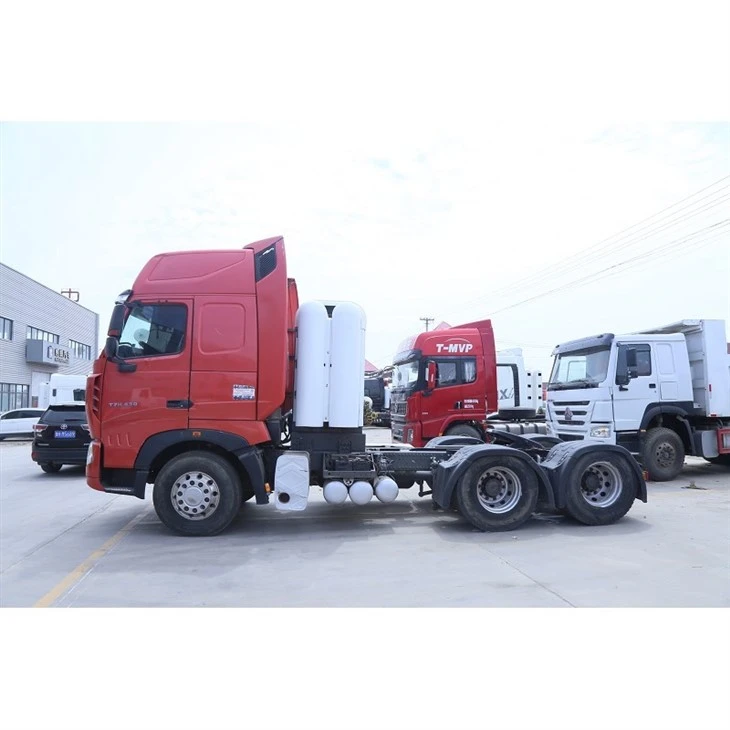
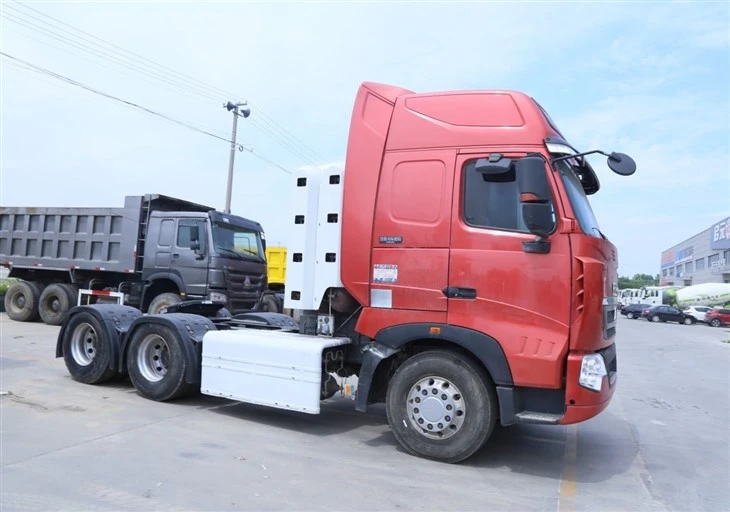
Now, I know a lot of you are probably thinking, “Okay, that’s a lot. But I just need a reliable truck that won’t have these issues.” That’s why a lot of my customers come to me for quality used options that’ve been inspected top to bottom. For example, if you’re looking for something heavy-duty for long hauls, a used sinotruck truck or a used howo 6x4 tractor truck 10 wheels cng lng tractor truck might be exactly what you need—they’re built to handle tough loads, and when we sell them, we check every component, including the clutch, so you don’t have to guess what’s under the hood. I also carry a range of used trucks from different brands, so whether you’re partial to Faw, you can check out the faw truck tractor page for models that hold up really well for city and regional hauling.
Here’s the thing: I’ve been selling truck tractors for over a decade, and I’ve learned that most clutch issues don’t come out of nowhere. They build over time. A little slip here, a stiff pedal there—if you catch it early, you can fix it for a few hundred bucks instead of dropping $3,000 on a full clutch replacement. But if you ignore the signs, it’s not just your clutch that’ll break. You can damage your flywheel, your pressure plate, even your transmission, and that’s way more expensive.
I get it—trucking is a business. You’re on tight schedules, you’ve got loads to deliver, and downtime costs you money. But taking 10 minutes every morning to check your clutch, notice how it feels, how it shifts, if there’s a weird smell, can save you weeks of downtime and thousands of dollars. I’ve seen drivers push a clutch that was on its last legs for 3 months, just to have it blow up on a highway in the middle of nowhere. That’s the worst case scenario—you’re stranded, you’ve got to call a tow truck, you miss your delivery, and then you’ve got to wait for parts. Don’t let that be you.
If you’re in the market for a new or used truck tractor, I’m here to help. I’ve built my business on being straight with drivers and fleet managers—no fine print, no overcharging, just honest advice and quality trucks. When you’re browsing our site, whether you’re looking for a used faw j7 tractor or a howo model, just shoot me a message or give me a call. I can walk you through the clutch checks I do on every truck before it hits our lot, answer any questions you have about maintenance, or even help you find the right truck for your specific haul needs. Running a truck is hard enough—let me take the guesswork out of finding a reliable vehicle and keeping it on the road.
References:
- The Heavy Duty Truck Manufacturers Association. (2022). Common Component Failures in Over-the-Road Truck Tractors. Retrieved from industry association technical reports
- Truck Maintenance Council. (2021). Clutch Inspection and Replacement Guidelines for Commercial Vehicles. Retrieved from official maintenance protocol documents
- Commercial Vehicle Safety Alliance. (2023). Pre-Trip Inspection Checklist for Hydraulic Clutch Systems. Retrieved from roadside safety training resources


