

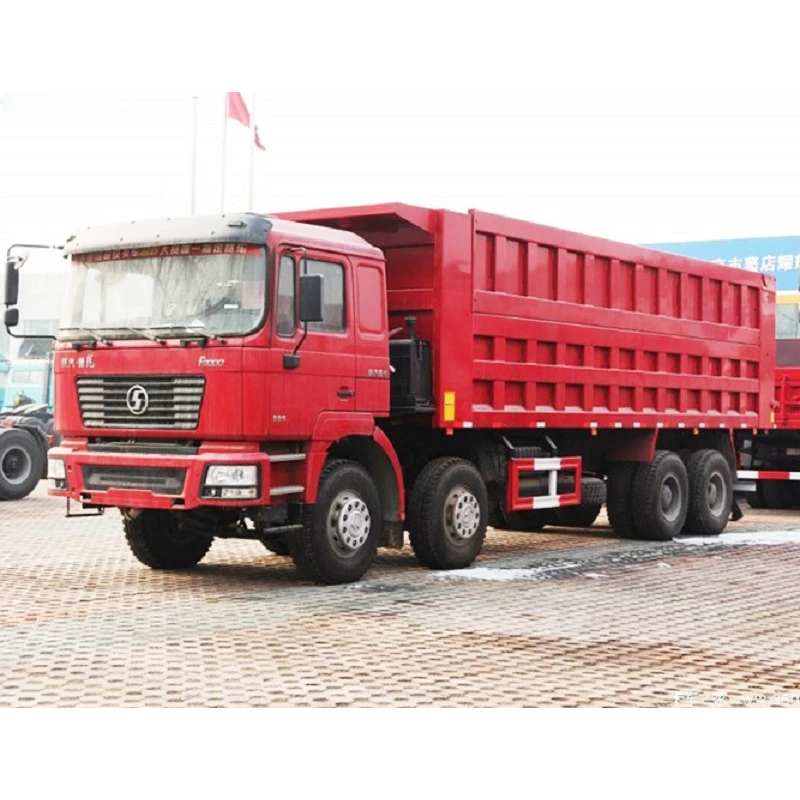
If you’ve ever stood at a construction site, a mining pit, or a roadworks project watching a heavy-duty truck hoist a load of gravel, soil, or demolition debris and tilt its bed to dump that material exactly where it needs to go, you’ve witnessed the unsung work of a dump truck’s hydraulic system. As a supplier of X5000 Dump Trucks, I get asked this question constantly: What is the hydraulic system of the X5000 Dump Truck actually used for? It’s not just a fancy set of hoses and metal parts—it’s the core that makes the X5000 capable of handling the toughest jobs, from small residential builds to large-scale industrial operations. Let’s break this down, because understanding this system is key to seeing why the X5000 stands out from other models, whether you’re looking for a new truck or a reliable used option.
First, let’s start with the basics: what a hydraulic system does for any dump truck, and how the X5000’s version is engineered to excel. At its simplest, a dump truck’s hydraulic system converts power from the truck’s engine into the force needed to lift and lower the dump bed, which is the large, reinforced metal container that carries all your cargo. But the X5000’s system isn’t one-size-fits-all. Unlike smaller trucks that use basic scissor lifts or manual levers, the X5000’s hydraulic system is a closed-loop, high-pressure setup designed to handle loads up to 50 tons, a spec that makes it comparable to other heavy-duty models on the market. For context, if you’re working on a project that doesn’t need that much capacity, a model like the X3000 Dump Truck is a more compact, efficient alternative—great for city construction sites or landscaping jobs where maneuverability matters most.
Now, let’s dive into the key functions of the X5000’s hydraulic system, because it does more than just lift the bed. The most obvious primary function is loading and unloading the dump bed. When the driver activates the hydraulic control lever (located inside the cab, easy to reach and intuitive to use), the system pumps hydraulic fluid from a reservoir into cylinders mounted between the truck’s chassis and the dump bed. As fluid enters these cylinders, it pushes a piston upward, tilting the bed to a 70-degree maximum angle—enough to empty even densely packed loads like wet concrete or rocky soil in seconds. Once the load is dumped, the driver reverses the lever, which directs fluid back into the reservoir and allows the bed to lower slowly and smoothly, preventing damage to the chassis or the material that might be left. But the X5000’s system adds a layer of precision here too: it has a pressure relief valve that stops the system from applying too much force if the bed hits an obstacle mid-lift, a small feature that saves thousands in repairs over time.
Another critical, less talked-about function of this hydraulic system is stabilizing the truck during operation. When the bed is fully raised for unloading, the X5000’s hydraulic system automatically engages a set of stabilizer legs (optional on some models, standard on the X5000 for heavy-duty use) that extend from the chassis to the ground, lifting the front wheels slightly and distributing the weight of the raised bed and its load across all four legs. This eliminates the risk of the truck tipping, which is a major hazard when dumping heavy material on uneven ground—common in mining sites or remote construction zones. I’ve seen smaller dump trucks without this feature get damaged or tip over because their hydraulic systems only handle the bed, not the overall stability. The X5000’s design solves that, making it a safer choice for high-risk jobs.
What also sets the X5000’s hydraulic system apart is its efficiency and durability. Construction and mining jobs often run 12+ hour days, so the last thing you want is a system that leaks fluid or overheats mid-shift. The X5000 uses a reinforced, heat-resistant hydraulic fluid and a pump that’s integrated directly with the engine’s transmission, so it doesn’t drain extra power when it’s not in use. For example, when you’re driving the truck on the highway to a job site, the hydraulic system is idle, so it doesn’t add to fuel costs—something that’s a big plus for operators watching their bottom line. Compare that to older dump truck models where the hydraulic system runs constantly, guzzling fuel even when it’s not lifting anything. As a supplier, I always tell customers that this efficiency makes the X5000 a smarter long-term investment than cheaper models, even if the upfront cost is a bit higher.
Now, let’s talk about how this system works in real-world scenarios, because that’s where you see its value. Last year, I worked with a contractor who was hired to build a new highway interchange in Texas. They had a fleet of dump trucks, including a few X5000s, as well as some other models. The job required moving 100,000 tons of dirt over six months, 10 hours a day. The contractor told me that the X5000s’ hydraulic systems never failed to lift a load, even when the dirt was wet and compacted. On one occasion, another model’s hydraulic pump seized up mid-lift, leaving the bed raised for 8 hours until a mechanic could get to the site. The X5000s didn’t have a single hydraulic-related downtime issue that entire project. That’s the kind of reliability you can’t put a price on.
If you’re not ready for a brand-new X5000, and you’re looking for a more cost-effective option, we also have a range of quality Used Dump Truck models that feature well-maintained hydraulic systems. All our used trucks go through a full inspection, including a pressure test of the hydraulic system, so you can trust that they’ll perform as needed. Whether you’re a small business owner with a limited budget or a large company looking to expand your fleet, we have options that fit.
I often get asked to compare the X5000 to other popular dump trucks on the market, and while there are many great models, the X5000’s hydraulic system is engineered with the operator in mind. For example, the DUMP TRUCK line is a solid option for lighter loads, but its hydraulic system is built for 30 tons, so it won’t handle the 50-ton loads the X5000 is designed for. The DONG FENG DUMP TRUCK has a powerful engine, but its hydraulic system is separate from the transmission, so it uses more fuel during operation. The HOWO 371HP TRUCK is a great workhorse for small to medium jobs, but it doesn’t have the stabilizer feature that the X5000 offers, making it less safe for uneven terrain. All these models have their place, but the X5000’s hydraulic system is a step up in capacity, safety, and efficiency for heavy-duty jobs.
Another key point about the X5000’s hydraulic system: it’s easy to maintain, which is a huge benefit for operators who don’t have a full-time mechanic on site. The system has easily accessible fluid reservoirs and filters, so changing the hydraulic fluid is a 30-minute job, not a full day. The hoses and cylinders are made from high-grade steel and rubber that’s resistant to abrasion from dirt and debris, so you don’t have to replace parts as often as you would on other models. For our customers, that means lower maintenance costs and less time their trucks are out of service. I always emphasize this to new customers—buying a dump truck is an investment, and the hydraulic system is the part that will make or break that investment. If it’s reliable and easy to maintain, your truck will last for years.
Let’s also address a common misconception: some people think the hydraulic system is only for lifting the bed, but it’s also used for other optional features on the X5000. For example, many operators add a snow plow attachment for winter work, and that’s powered by the same hydraulic system. You don’t need a separate pump or setup—everything runs off the system that lifts the dump bed. That versatility means you can use your X5000 for year-round work, whether you’re moving construction materials in the spring, hauling gravel in the summer, or clearing snow in the winter. That’s a big plus for small businesses that need to maximize their truck’s use to stay profitable.
Now, if you’re in the market for a dump truck and wondering if the X5000 is right for you, the answer depends on the size and scope of your projects. If you’re regularly hauling loads of 40 to 50 tons, working on sites with uneven terrain, or need a truck that can handle long hours without downtime, the X5000’s hydraulic system is designed for exactly that. If your projects are smaller, or you need something more maneuverable for city work, the X3000 Dump Truck is a perfect fit. And if you’re looking to save on upfront costs, our Used Dump Truck inventory has a range of models that will meet your needs, all with well-tested hydraulic systems.
As a supplier, my goal is to help you find the right truck for your business, not just sell you the most expensive model. The hydraulic system is the heart of any dump truck, and taking the time to understand what it does, how it works, and how the X5000’s system stands up to other options is key to making a smart purchase. I’ve seen too many businesses buy a truck based on looks or a low price, only to deal with costly hydraulic failures down the line. The X5000’s system is built to last, designed for heavy use, and efficient enough to keep your operating costs low.
If you’re ready to learn more about the X5000 Dump Truck, or want to see our full range of dump trucks (including new and used options), please reach out to our team to discuss your specific needs. Whether you’re working on a small residential build or a large industrial project, we can help you find the right truck with a hydraulic system that will keep your operations running smoothly. Don’t settle for a dump truck that will let you down—choose the X5000, where the hydraulic system is engineered to support your business every step of the way.

References
- Construction Equipment Guide. "Hydraulic Systems for Heavy-Duty Dump Trucks: Design, Function, and Maintenance." 2023.
- International Truck and Engine Corporation. "Heavy-Duty Hydraulic System Standards for Dump Trucks." 2022.
- National Association of Construction Contractors. "Safety Guidelines for Dump Truck Operation and Hydraulic System Use." 2021.
- Off-Highway Research. "Global Dump Truck Market Trends: Hydraulic System Innovation and Demand." 2023.
- Maintenance Council of North America. "Best Practices for Hydraulic Fluid and Component Replacement in Heavy-Duty Trucks." 2022.


