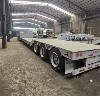
A Comparative Analysis of Galvanized and Traditional Painted Surfaces on Semi-Trailers
Semi-trailers are essential components of the transportation industry, facilitating the movement of goods across vast distances. One critical consideration in their construction is the choice of surface finish, with galvanization and traditional paint being prominent options. This article explores the differences between these two surface treatments and their implications for semi-trailer performance and durability.
Galvanized Surface:
Galvanization involves coating steel surfaces with a protective layer of zinc through a process known as hot-dip galvanizing. This method offers several advantages:
Corrosion Resistance: Galvanized surfaces exhibit excellent resistance to corrosion, even in harsh environments where exposure to moisture, chemicals, and abrasion is common. The zinc layer acts as a sacrificial barrier, protecting the underlying steel from oxidation and rust.
Durability: Galvanized coatings are robust and durable, providing long-lasting protection against corrosion and mechanical damage. This durability is particularly advantageous for semi-trailers subjected to frequent loading, unloading, and road conditions.
Low Maintenance: Galvanized surfaces require minimal maintenance compared to painted surfaces. They do not need periodic repainting or touch-ups, reducing maintenance costs over the trailer's lifespan.
Environmental Benefits: Galvanization is considered environmentally friendly, as zinc is a recyclable material, and the process produces minimal waste.
Traditional Painted Surface:
Painting is a conventional method of protecting steel surfaces, involving the application of primers, paints, and topcoats. Here are some characteristics of painted surfaces:
Aesthetic Appeal: Painted surfaces offer a wide range of color options and finishes, allowing for customization and branding opportunities. This is especially relevant for fleet operators who wish to maintain a consistent visual identity.
Initial Cost: Painting is generally less expensive upfront compared to galvanizing. However, the long-term costs associated with maintenance and repairs can offset this initial advantage.
Maintenance Requirements: Painted surfaces are more prone to chipping, scratching, and fading over time, requiring periodic repainting or touch-ups to maintain appearance and corrosion resistance.
Environmental Considerations: Paints often contain volatile organic compounds (VOCs) and other chemicals that can be harmful to the environment during application and disposal.
Comparison and Conclusion:
In comparing galvanized and painted surfaces for semi-trailers, it's evident that each option has distinct advantages and drawbacks. Galvanized surfaces excel in terms of corrosion resistance, durability, and long-term cost-effectiveness, making them particularly suitable for trailers subjected to demanding conditions and extended service life requirements.
On the other hand, traditional painted surfaces offer aesthetic flexibility and lower upfront costs but require more frequent maintenance and can be less environmentally friendly.
Ultimately, the choice between galvanized and painted surfaces for semi-trailers depends on specific operational needs, budget considerations, and environmental preferences. For operators seeking maximum durability and minimal maintenance over the trailer's lifespan, galvanized surfaces represent a compelling choice. However, those prioritizing customization and upfront cost savings may opt for traditional painted surfaces despite their associated maintenance requirements.