

Comparative Analysis of Side-Dump Trailers and Rear-Dump Trailers
Dump trailers are essential in the transportation industry, particularly for hauling materials like gravel, sand, and construction debris. Among them, side-dump trailers and rear-dump trailers are two popular types, each with its own set of advantages and disadvantages. This analysis aims to provide a comprehensive comparison of these two trailer types.
Side-Dump Trailers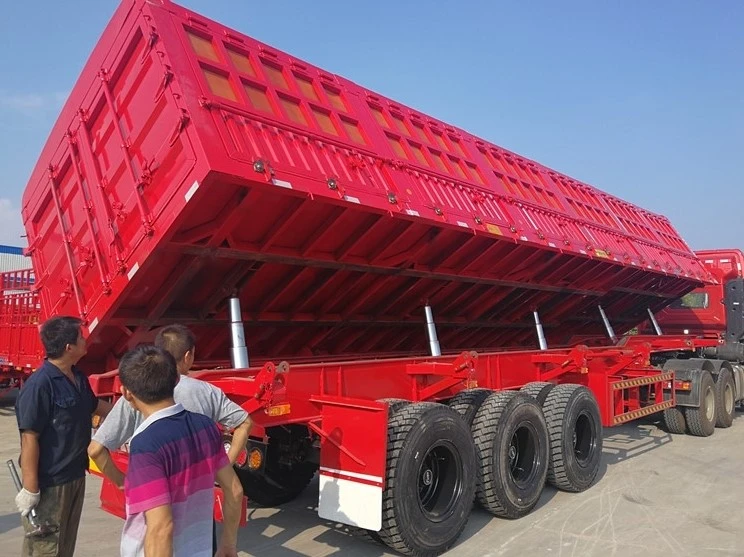
Advantages:
Efficient Unloading: Side-dump trailers allow for faster unloading of materials. They can discharge their load to either side, which is particularly advantageous in tight spaces or uneven terrain. This feature minimizes the need for repositioning, thus saving time and increasing productivity.
Stability During Unloading: When unloading, side-dump trailers maintain better stability compared to rear-dump trailers. The load is distributed evenly, reducing the risk of tipping over, which is crucial for safety, especially when dealing with heavy materials.
Versatility: Side-dump trailers can be used for a variety of materials, including loose aggregates, asphalt, and even liquid materials when equipped with the right technology. This versatility makes them a preferred choice for many contractors.
Reduced Ground Disturbance: Since side-dump trailers discharge their load sideways, they cause less disturbance to the ground beneath them. This is particularly beneficial in landscaping and construction projects where minimizing disruption is essential.
Disadvantages:
Higher Cost: Generally, side-dump trailers are more expensive to manufacture and purchase than rear-dump trailers. This higher initial investment may deter some operators, especially smaller businesses.
Complexity of Operation: The mechanism for unloading involves hydraulic systems that can be more complex and require regular maintenance. Operators must be trained to handle these systems safely and effectively.
Limited Compatibility: Not all vehicles can tow side-dump trailers due to their specific weight and balance requirements. This limitation can restrict their usability in certain environments.
Rear-Dump Trailers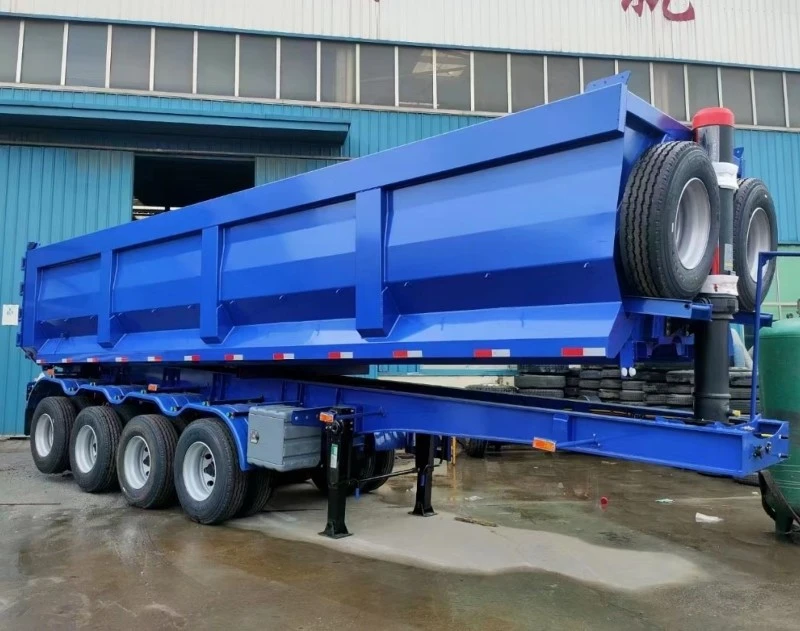
Advantages:
Simplicity of Design: Rear-dump trailers have a straightforward design that makes them easier to operate and maintain. The unloading process is simple, requiring less training for operators.
Lower Cost: Typically, rear-dump trailers are less expensive than their side-dump counterparts. This cost-effectiveness makes them an attractive option for businesses with budget constraints.
Wider Compatibility: Rear-dump trailers can be towed by a broader range of vehicles, making them more versatile in terms of compatibility with existing fleets.
Effective for Certain Materials: For materials like dirt and gravel, rear-dump trailers can be highly effective. They allow for a quick and efficient unloading process in many situations.
Disadvantages:
Space Requirements for Unloading: Rear-dump trailers require more space to unload, as they need to back up to a designated area. This can be a significant drawback in tight job sites or urban environments.
Risk of Tipping: When unloading heavy loads, rear-dump trailers are at a greater risk of tipping over, especially on uneven surfaces. This poses safety risks for operators and other workers on-site.
Limited Unloading Options: Rear-dump trailers can only unload their contents from the back, which may not be ideal in certain situations where side unloading would be more efficient.
Conclusion
In summary, both side-dump and rear-dump trailers have unique advantages and disadvantages that cater to different operational needs. Side-dump trailers excel in efficiency, stability, and versatility but come with higher costs and complexity. On the other hand, rear-dump trailers offer simplicity and cost-effectiveness but may face challenges in space requirements and safety during unloading. Ultimately, the choice between these two types of trailers should be guided by the specific needs of the operation, the types of materials being transported, and the working environment.


