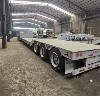
What is the difference between a 40 container and a 53 trailer? When it comes to shipping and logistics, understanding the differences between different types of containers and trailers can be crucial for businesses and individuals alike. In this article, we will explore the key differences between a 40-foot container and a 53-foot trailer.
Size and Dimensions
One of the most obvious differences between a 40 container and a 53 trailer is their size. A 40-foot shipping container is a standardized steel box that measures 40 feet long, 8 feet wide, and 8.5 feet high. It has a volume of around 2,400 cubic feet and can hold up to 21 standard pallets. On the other hand, a 53-foot trailer is a type of semitrailer that is commonly used for transporting goods by road. It measures 53 feet long, 8.5 feet wide, and 13.5 feet high, and has a volume of around 3,960 cubic feet.
Capacity and Weight Limits
Due to their different sizes, 40 containers and 53 trailers also have different capacities and weight limits. A 40 container can hold up to 28.2 metric tons (62,150 pounds) of cargo, while a 53 trailer can carry up to 34.5 metric tons (76,000 pounds) of cargo. However, it is important to note that weight limits can vary depending on local regulations and the type of cargo being transported.
Transportation Mode
Another key difference between a 40 container and a 53 trailer is the method of transportation. Shipping containers are typically transported by sea or rail, while trailers are used for road transportation. Containers are designed to be stacked one on top of the other, making them suitable for use on container ships and trains. Meanwhile, trailers are designed to be hitched to a truck and driven on the road.
Loading and Unloading
When it comes to loading and unloading cargo, 40 containers and 53 trailers also have some differences. Containers are loaded using a crane, which lifts them onto the ship or train. They are also equipped with doors on one end, which can be opened to facilitate loading and unloading. On the other hand, trailers are loaded and unloaded using a forklift, which places the cargo onto or off of the trailer. Trailers also have doors on the back end, which can be opened to allow for easier loading and unloading.
Cost
Cost is another factor that differentiates a 40 container and a 53 trailer. Containers tend to be more expensive than trailers, as they are made of sturdy steel and are designed to withstand the rigors of sea transportation. They are also subject to additional fees, such as container handling charges and demurrage fees if they are not returned on time. In contrast, trailers are typically less expensive to purchase or rent, and are subject to fewer fees.
Suitability for Different Types of Cargo
Finally, the suitability for different types of cargo is another factor that sets a 40 container and a 53 trailer apart. Containers are ideal for transporting a wide variety of cargo, including dry goods, refrigerated goods, and hazardous materials. They can also be modified to meet specific requirements, such as the need for increased ventilation or insulation. Meanwhile, trailers are typically used for transporting dry goods and are not suitable for refrigerated or hazardous materials.
In conclusion, understanding the differences between a 40 container and a 53 trailer is important for anyone involved in shipping and logistics. While both types of containers have their advantages, they are designed for different purposes and are better suited to different types of cargo and transportation methods. By understanding these differences, businesses and individuals can make more informed decisions about how to transport their goods and maximize their efficiency.