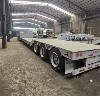
Wind turbine blade transport trailers play a crucial role in the modern wind energy industry. This specialized type of trailer is designed specifically for transporting the long and bulky blades of wind turbines, along with related components. Here is a detailed introduction to their production and usage:
Production:
The manufacturing process of wind turbine blade transport trailers requires precise design and engineering expertise. Initially, manufacturers develop the trailer's design specifications based on the size and weight of the blades. Typically, these trailers are constructed from robust steel to withstand the weight of the blades and the vibrations during transportation. During production, the trailer's structure must possess sufficient strength and stability to ensure safety and reliability during transport.
The trailers are usually equipped with special loading and unloading equipment to facilitate the easy loading of blades onto the trailer and safe unloading at the destination. Additionally, the trailers are often outfitted with necessary safety features such as securing devices and safety ropes to prevent the blades from shifting or sustaining damage during transit.
Usage:
The primary purpose of wind turbine blade transport trailers is to transport blades from manufacturing facilities to wind farms. Due to their enormous size and weight, the blades cannot be transported using conventional means, necessitating the use of specially designed trailers. Once the blades arrive at the wind farm, the trailers are also utilized to transfer the blades from the transport vehicles to the installation site.
Moreover, wind turbine blade transport trailers play other important roles within the wind energy industry. For example, they may be used to transport tools, equipment, and personnel required for the maintenance and replacement of blades. In the day-to-day operations of wind farms, these trailers may also transport other types of equipment and materials.
In conclusion, wind turbine blade transport trailers are indispensable in the wind energy industry. With their reliable design and efficient transportation capabilities, they provide crucial support for the development and operation of wind power generation.