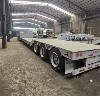
Transporting Tractor-Trailer Semi Trucks
Title: Transporting Tractor-Trailer Semi Trucks: A Guide to Safe and Efficient Transport
Introduction: Transporting tractor-trailer semi trucks, also known as articulated lorries or semi-trailers, requires careful planning and execution to ensure both safety and efficiency. These large vehicles are essential for transporting goods over long distances and play a vital role in various industries. In this guide, we'll explore the key considerations and best practices for transporting tractor-trailer semi trucks.
Key Considerations:
Vehicle Inspection: Before transportation, thoroughly inspect both the tractor and trailer for any signs of damage or mechanical issues. Ensure that tires, brakes, lights, and other critical components are in good working condition.
Securement: Properly secure the semi truck onto the transport vehicle using straps, chains, or wheel chocks to prevent shifting during transit. Ensure that all securing devices are tightened and adequately fastened.
Route Planning: Plan the transportation route carefully, considering factors such as road conditions, height restrictions, and weight limits. Choose the most efficient route that minimizes travel time and maximizes safety.
Permits and Regulations: Obtain any necessary permits and adhere to local, state, and federal regulations governing the transportation of oversized vehicles. Ensure compliance with weight restrictions, escort requirements, and other legal obligations.
Professional Drivers: Hire experienced and qualified drivers who are familiar with operating tractor-trailer semi trucks and transporting them safely. Ensure that drivers are properly licensed and trained to handle oversized vehicles.
Best Practices:
Communication: Maintain open communication with the transport company, drivers, and relevant authorities throughout the transportation process. Address any concerns or issues promptly to ensure a smooth and successful transport operation.
Safety Precautions: Prioritize safety at all times by following established safety protocols and guidelines. Insist on adherence to speed limits, traffic regulations, and safe driving practices to minimize the risk of accidents or incidents.
Vehicle Tracking: Use GPS tracking systems or other tracking technologies to monitor the location and progress of the transported semi trucks in real-time. This allows for better visibility and management of the transportation process.
Contingency Planning: Develop contingency plans for unexpected events such as inclement weather, road closures, or mechanical breakdowns. Have procedures in place to address emergencies and ensure the timely resolution of any issues that may arise.
Conclusion: Transporting tractor-trailer semi trucks requires careful planning, attention to detail, and adherence to safety protocols. By following the key considerations and best practices outlined in this guide, transportation companies can ensure the safe and efficient transport of these essential vehicles, contributing to the smooth operation of logistics and supply chains.