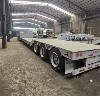
1、 Obstacle clearance and rescue vehicles belong to special vehicles and are specially managed and used. In principle, it can only be used for obstacle clearance, rescue, and normal patrols. Special circumstances require approval from the team leader when using vehicles.
2、 The road clearing vehicle is relatively fixed and driven by a dedicated person. The vehicle must be parked in a designated location according to regulations and ensure safety.
3、 Vehicles should be cleaned proactively before handover to maintain a neat appearance.
4、 Clear vehicles are not allowed to park in public entertainment venues.
5、 Drivers must undergo routine inspections before going to work and leaving the vehicle every day, and do a good job in daily vehicle maintenance to ensure that the obstacle clearing vehicle always maintains good technical condition and ensures driving safety. The inspection content is as follows:
1. Check if the fuel, lubricant, cooling water, and battery fluid are normal, and if the brakes (including hand brakes) and clutches are normal.
2. Is the connection between the steering wheel, steering gear, transmission shaft, and steering rod firm and effective.
3. Check if the tire pressure (including the spare tire) is normal, if the tire screws are secure, and if the horn, lights, wipers, warning lights, and audio are normal.
4. Whether the windows and door locks are normal, and whether the accompanying tools are complete.
5. Check whether various instruments and warning lights are normal, and whether there is any abnormal sound from the engine.
6. Is the appearance of the car neat, with no signs of paint peeling or damage, and is the interior neat and clean.
6、 Daily obstacle clearance and rescue work must not violate traffic regulations and ensure driving safety. Report any issues with the vehicle to the squadron leader in a timely manner.
7、 When routine maintenance, medium and major repairs are required, a repair plan should be proposed to the squadron leader and approved before repairs can be carried out.
8、 Establish vehicle management files, one vehicle, one file; Establish a ledger for vehicle use, maintenance, and regular inspections.
9、 To evenly load the tires on the cleaning axle: In order to evenly load the tires on the cleaning axle, it is necessary to eliminate the phenomenon of the wheel plane not being perpendicular to the road surface. The following methods can be used to eliminate or reduce the phenomenon of wheel inclination:
1. Improve the bending stiffness of the shaft shell and half shaft sleeve (or shaft head).
2. In areas with high road camber, in order to ensure that the load on the inner and outer tires of the clearing vehicle axle is as consistent as possible, the air pressure of the outer tires of the trailer axle can be appropriately increased according to the degree of camber, but the maximum increase is 10%.
10、 To reduce the dynamic load on tires while driving, the following measures can be taken to reduce the dynamic load on tires during driving:
1. Reasonably select the structural parameters of the semi-trailer to ensure a reasonable matching of stiffness between the semi-trailer frame, suspension, and tires, ensuring that the semi-trailer has good vibration characteristics and reducing impact loads during driving.
2. Improve road conditions.
3. When driving on uneven roads, reduce the driving speed appropriately.
11、 Warning light usage:
Regulations on the use of warning lights for obstacle clearance vehicles. The warning lights for obstacle clearance vehicles are divided into two colors: engineering yellow (for civilian use) and red blue (for police use). According to national regulations, when installing red and blue warning lights, it is necessary to apply for a warning light use certificate and complete relevant procedures with the local authorities.
Aug 22, 2023
Leave a message
Trailer usage instructions
Send Inquiry