


Extendable Modular Trailer
Rather than relying on a fixed deck length, this system integrates modular axle configurations with an adjustable longitudinal extension structure. This allows transport operators to adapt the platform length, weight distribution, and axle loading to fit specific project requirements.
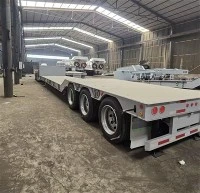
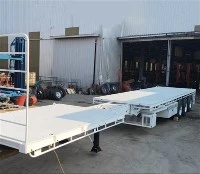
The extendable modular trailer is a specialized heavy-haul transport platform engineered for cargo that exceeds the practical length and weight limits of conventional semi-trailers.
Rather than relying on a fixed deck length, this system integrates modular axle configurations with an adjustable longitudinal extension structure. This allows transport operators to adapt the platform length, weight distribution, and axle loading to fit specific project requirements.
The system can be configured with hydraulic suspension, hydraulic steering, modular deck modules, extension beams, and hydraulic goosenecks depending on the cargo profile and transport route.
Typical Cargo: Bridge girders, prefabricated infrastructure, wind turbine components, industrial pressure vessels, large machinery, long steel structures, and heavy project freight.
Core Function: Adjustable deck length + multi-axle load distribution + heavy-load maneuverability.
Typical Applications
Bridge and Infrastructure Transport
Long bridge girders, concrete beams, and prefabricated structural spans require precise support points and controlled load distribution. Extendable modular platforms adjust their overall length and axle spacing to match the engineering requirements of civil infrastructure projects.
Wind Energy Components
Wind turbine blades, tower sections, and heavy nacelles demand specialized transport mechanics. Extendable configurations accommodate long blade lengths while negotiating tight turns on wind farm access roads. Final configurations depend on blade length, weight, center of gravity, and turning swept paths.
Industrial Equipment and Pressure Vessels
Large industrial machinery, distillation columns, reactors, and transformers often combine heavy concentrated weight with elongated dimensions. Modular extendable trailers provide the necessary structural rigidity and platform space.
Steel Structures and Structural Pipes
Long structural steel elements, pipe racks, and fabricated assemblies require continuous support along the transport span to prevent structural sagging or deformation during transit.
When Should You Choose an Extendable Modular Trailer?
Selecting the correct trailer type starts with analyzing the cargo geometry and route constraints rather than standard model names.
When an Extendable Modular Trailer Is Required:
Cargo length varies significantly from one project to another.
Transport items are exceptionally long, flexible, or require multiple support points.
Total weight requires multiple heavy-duty axle lines to comply with legal axle loads.
Routes involve restricted turning radii, requiring active or hydraulic steering across multi-axle groups.
Platform height must be hydraulically adjusted to clear obstacles or match loading docks.
When a Conventional Trailer Is Sufficient:
Cargo dimensions fall well within standard lowbed or flatbed trailer limits.
Payload weight is moderate and fits standard multi-axle flat configurations.
Fixed deck length provides adequate support without excessive overhang.
Modular Axle Configuration
The modular design allows transport operators to scale the trailer's load capacity by adding or removing axle lines.
Axle Line Capacity: Configurations are calculated based on total cargo weight, dead weight of the trailer, and statutory axle load limits.
Load Distribution: Positioning axle groups correctly relative to the cargo center of gravity prevents over-stressing specific axle lines or the towing tractor.
Modular Versatility: Axle modules can often be combined with other modular heavy-haul equipment depending on fleet inventory and project demands.
Hydraulic Gooseneck Options
To connect the trailer to heavy-duty prime movers, a hydraulic gooseneck transfers a portion of the payload weight to the tractor's fifth wheel.
Fifth-Wheel Compatibility: Engineered for standard kingpin sizes and heavy-duty tractor capacities.
Hydraulic Integration: Powers lifting, lowering, and steering functions directly from the tractor or an auxiliary power unit (PPU).
Load Transfer Adjustment: Allows operators to adjust vertical load distribution between the tractor and the front trailer bogie.
Manufacturing and Quality Control
Heavy-haul structural integrity requires strict control across every stage of production:
Material Selection: High-yield structural steel utilized for main beams and high-stress load-bearing zones to maintain structural rigidity under full extension.
CNC Cutting & Preparation: Precision plasma and laser cutting for frame components, connection plates, and mounting brackets.
Welding Standards: Critical structural welds executed by certified technicians, followed by visual and dimensional inspections to verify joint integrity.
Hydraulic Assembly: Clean-room or controlled assembly of hydraulic cylinders, lines, valves, and rotary joints, followed by pressure testing to eliminate leaks.
Surface Treatment: Shot-blasting of steel surfaces followed by multi-layer anti-corrosion primer and industrial topcoat application.
Final Functional Inspection: Comprehensive factory testing of suspension travel, steering articulation, extension stroke, braking response, and electrical continuity.
Customization Capabilities
Transport projects often present unique dimensional and regulatory challenges. Customization options include:
Custom axle line quantities and bogie spacing
Tailored closed and extended lengths for specific cargo envelopes
Specialized cargo bolsters, support brackets, and lashing points
Auxiliary power units (PPUs) mounted on the gooseneck or deck
Destination-specific lighting, braking, and reflective safety markings
FAQ
Q: What is an extendable modular trailer used for?
A: It is designed to transport extremely long, heavy, or oversized freight-such as bridge girders and wind turbine components-by combining variable deck length with multi-axle load distribution.
Q: How does this differ from an extendable flatbed trailer?
A: An extendable flatbed is typically a stretch-deck semi-trailer intended for lighter long loads. An extendable modular trailer is built on a heavy-duty modular platform utilizing hydraulic suspension, controlled steering, and high-capacity axle lines.
Q: Can the trailer length be customized?
A: Yes. Both closed and extended lengths are engineered based on the specific maximum and minimum dimensions of the cargo your fleet intends to haul.
Q: How many axle lines do I need?
A: The required number of axle lines depends on total payload weight, legal axle load limits along your route, weight distribution, and stability requirements.
Q: Can the trailer operate without a dedicated hydraulic tractor?
A: Yes. The trailer can be equipped with an auxiliary hydraulic power unit (PPU) to operate the steering, suspension, and extension systems independently.
Hot Tags: extendable modular trailer, China extendable modular trailer manufacturers, freight semi trailer, semi trailer consultants, semi trailer engineering, semi trailer exporter, semi trailer route, trailer axles for semi trailer
You Might Also Like


Send Inquiry